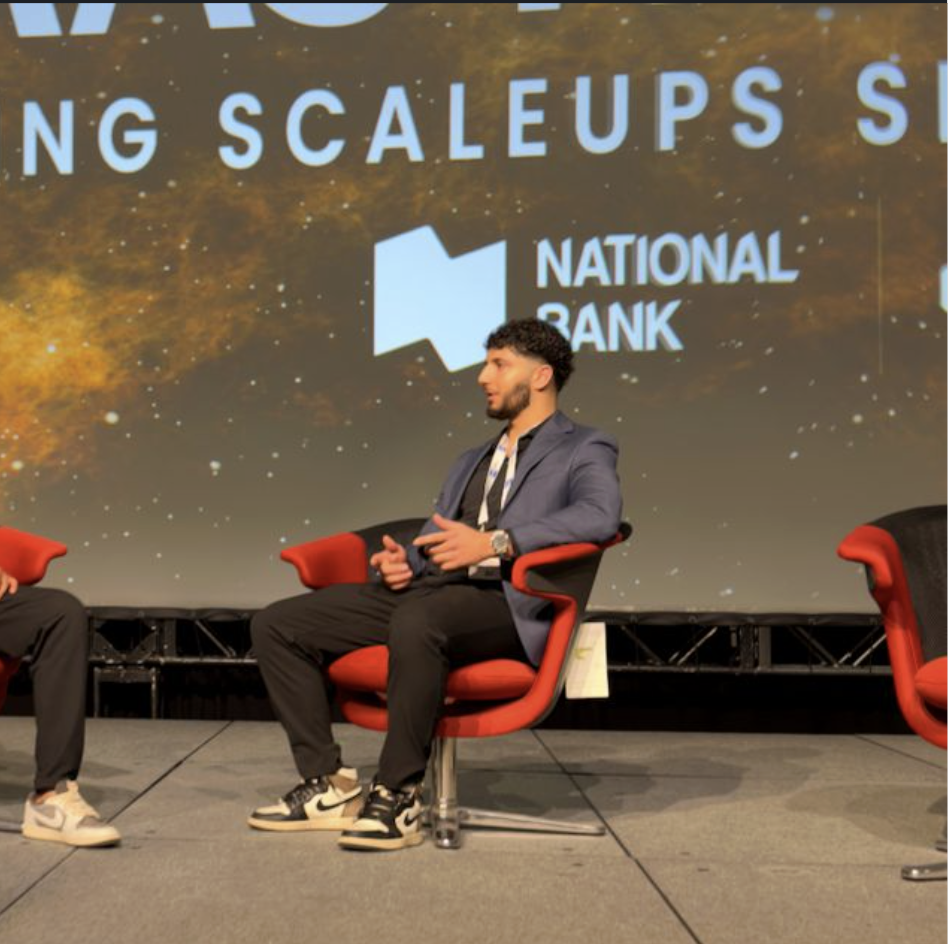
Founder independent SaaS scaling is the process of building a customer acquisition system that keeps generating qualified pipeline and revenue without the founder personally running sales calls, managing ad accounts, or closing every deal. For most B2B SaaS founders, growth still depends entirely on their own hustle, which means the company cannot grow faster than they can personally push it. In addition, that dependency quietly caps valuation, because sophisticated buyers pay a premium for a growth machine that does not walk out the door with the founder. This article explains what founder independent SaaS scaling actually looks like, why it matters at every stage of the business, and the specific steps that turn a founder-dependent sales process into a self-running engine.
What Is Founder Independent SaaS Scaling?
Founder independent SaaS scaling is a growth model in which customer acquisition, qualified pipeline, and revenue keep compounding even when the founder is not personally involved in sales or marketing day to day. Instead of relying on the founder's personal network or hustle, the business runs on documented, repeatable systems that a team can operate consistently. This idea overlaps closely with the broader concept of business scalability, which describes a system's ability to handle growing demand without proportional increases in effort.
In practice, this means intent-based targeting replaces guesswork, a dedicated creative engine keeps ad performance fresh instead of fatiguing after one winner, and trained sales support closes demos instead of the founder doing it personally. As a result, the company's growth curve stops tracking the founder's calendar and starts tracking the strength of the system itself. For example, one SaaS company called Acrely grew from 240k to 2.8 million in annual recurring revenue (ARR) while its founder went from running every sales call to running none of them, which is the clearest real-world picture of what this model achieves.
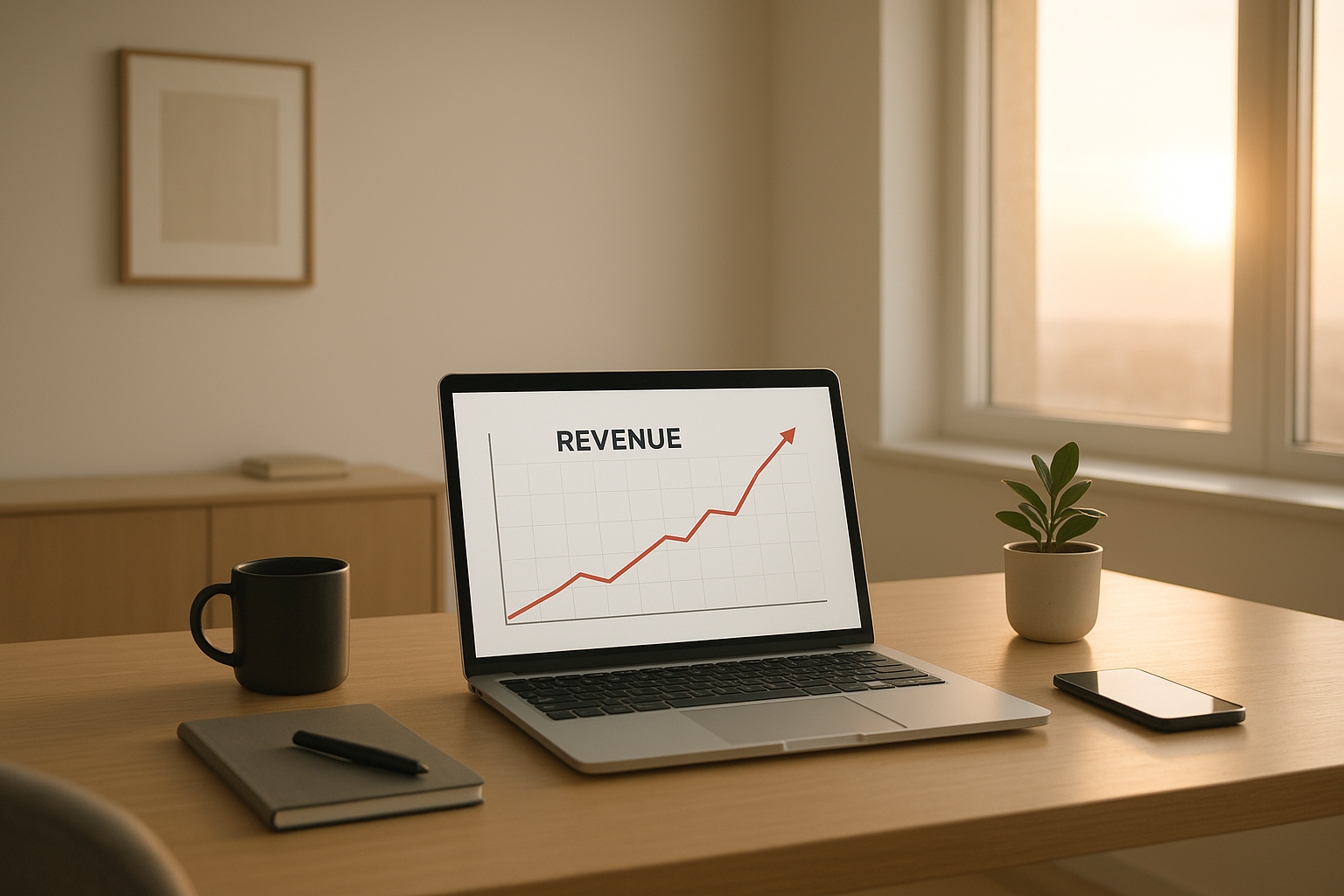
A growth dashboard built on founder independent SaaS scaling keeps moving whether the founder checks it or not.
The Founder-Dependent Growth Trap Most SaaS Companies Fall Into
Nearly every SaaS founder describes some version of the same story. The product works well, sometimes better than competitors who are somehow growing faster. However, growth itself behaves like a rollercoaster nobody can predict, with fifty demos one month and six the next.
Specifically, a winning ad appears out of nowhere, prints revenue for two weeks, and then quietly dies, leaving the founder back at square one. Meanwhile, the pipeline fills with tire-kickers who were never going to buy, so the founder burns their sharpest hours on calls that go nowhere. Consequently, when something does work, the calendar fills so completely that there is no time left to build the roadmap or lead the team.
Underneath all of this sits a deeper issue: the entire acquisition machine only works because the founder is personally holding it together. Therefore, the company cannot survive a week without them, which is less a business and more a high-stress job with unlimited liability. A detailed breakdown of this pattern, and how to get customer acquisition off a founder's plate, is covered in this guide on removing customer acquisition from the founder's plate. Breaking this cycle is the entire point of founder independent SaaS scaling.
How to Build a Founder-Independent Growth Engine
Building a growth engine that runs without the founder does not happen by accident. It requires a deliberate sequence of changes to targeting, creative, sales support, and reporting. The steps below outline the process used across dozens of B2B SaaS clients.
- Audit the current dependency. Map every stage of the funnel where the founder is personally involved, from prospecting to closing, so the business can see exactly how much revenue relies on one person's time.
- Install intent-based targeting. Replace broad, guesswork advertising with advanced intent data that identifies companies actively searching for a solution right now, so spend reaches real buyers instead of casual browsers.
- Build a high-volume creative engine. Produce enough ad variations on an ongoing basis that performance does not collapse the moment a single winning campaign fatigues after an early burst of results.
- Bring in dedicated sales support. Add trained closers who can run and convert demos consistently, so qualified meetings turn into signed revenue instead of simply a busier calendar.
- Systemize reporting and handoffs. Document the entire process so a team member, not only the founder, can review performance, adjust targeting, and keep pipeline moving every week.
Once these five pieces work together, pipeline keeps showing up whether the founder is watching it or not. SaaSLaunch's own approach to this sequence is outlined further in this resource on building a predictable growth engine.
Signs Your SaaS Growth Still Depends on the Founder
Before fixing the problem, it helps to recognize it clearly. Several warning signs tend to show up in founder-dependent SaaS companies, and most founders will recognize at least one immediately.
First, the founder is the best salesperson in the building, and no one else comes close to their close rate. Second, revenue drops noticeably the moment the founder takes a vacation or gets pulled into product work. Third, there is no documented playbook for how leads get generated or closed; it all lives in the founder's head. Finally, a single winning ad or channel is carrying the entire pipeline, with no plan for when it fatigues. The U.S. Small Business Administration's guide to growing a business echoes this point, noting that repeatable systems, not individual effort, are what allow a company to scale sustainably.
If two or more of these sound familiar, the business is still running on founder-dependent growth rather than a system built for founder independent SaaS scaling.
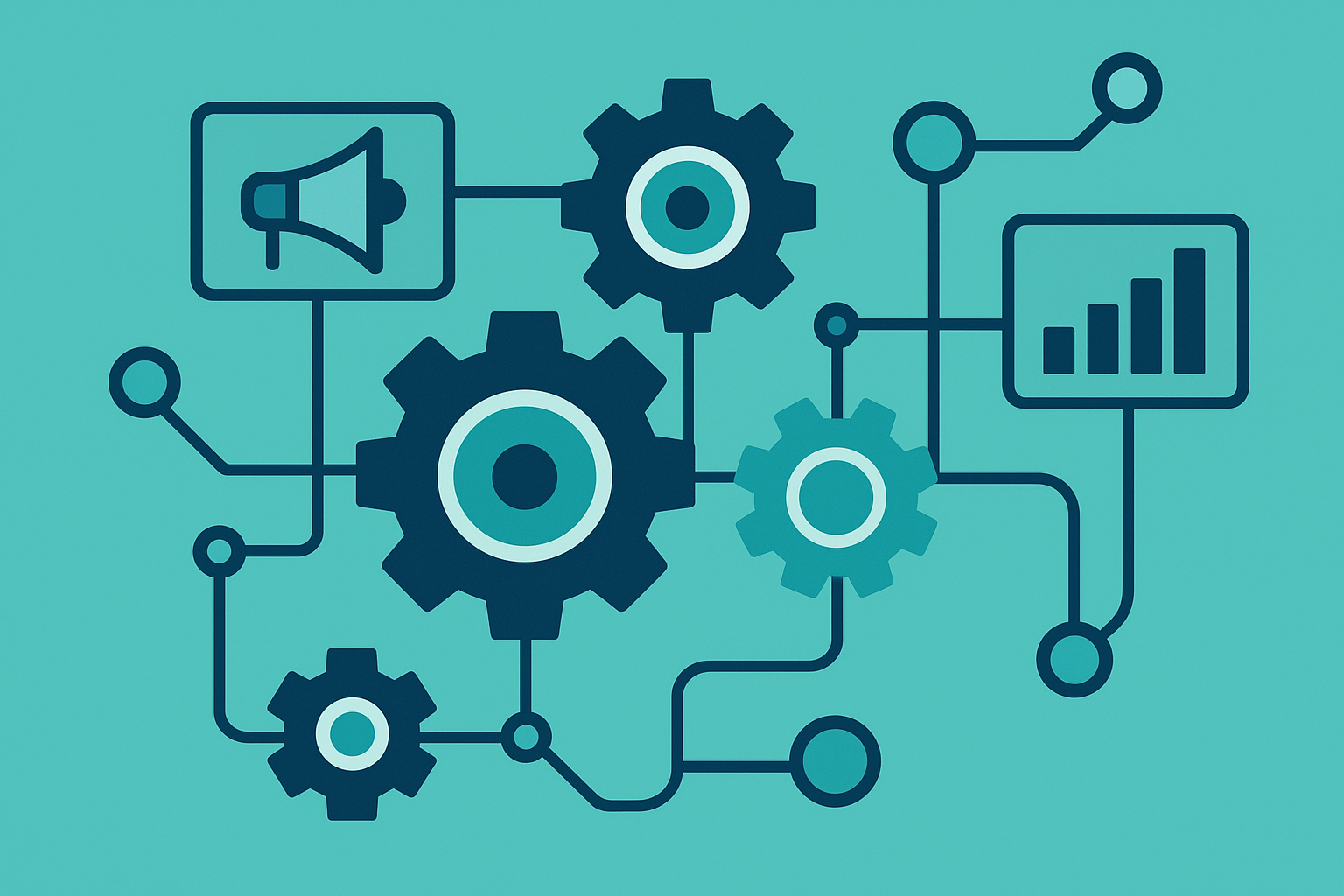
A connected acquisition system is what separates founder-led effort from a self-running growth engine.
Common Mistakes When Scaling Without Founder Dependence
Founders who try to remove themselves from growth often make a handful of predictable mistakes. For instance, many hire a single media buyer and expect that one person to replicate years of pattern recognition across targeting, creative, and sales alignment. Others hand off marketing but keep closing every demo personally, which only moves the bottleneck instead of removing it.
In addition, some founders cut ad spend the moment performance dips instead of diagnosing whether the real issue is targeting, creative fatigue, or a weak sales handoff. Similarly, teams sometimes chase vanity metrics like clicks and impressions rather than tracking revenue, which hides the real health of the funnel. Across a portfolio of client accounts, SaaSLaunch has taken 14 SaaS companies past a million dollars in ARR while managing 1.8 million dollars a month in combined ad spend, a scale of pattern recognition that reveals exactly which habits separate founder-dependent growth from a system that runs on its own. Above all, the fix is not working harder personally; it is building a system that does not need the founder's personal effort to function.
Why This Matters for Valuation and Exit
Founder independent SaaS scaling is not just a lifestyle upgrade; it directly changes what a company is worth. Sophisticated buyers and investors do not only acquire a product, they acquire the machine that brings in customers. Therefore, a growth engine that depends entirely on the founder is a liability, not an asset, because it cannot survive a change in ownership.
For example, Acrely added more than 20 million dollars to its valuation once growth no longer depended on the founder running every sales call. Similarly, founders preparing for an exit often ask how to make their SaaS growth not depend on them before a sale closes, a question explored in detail in this guide on making SaaS growth founder-independent before an exit, with a broader walkthrough also available at this explanation of founder freedom growth solutions.
Even founders who are not planning to sell benefit from the same shift. A business that runs without the founder's daily involvement can scale aggressively, run lean and profitable, or simply give the founder their time back, and the founder gets to choose which outcome they want. Learn more about the full approach at SaaSLaunch.

A trained team, not the founder, keeps the acquisition engine running week after week.
Frequently Asked Questions About Founder Independent SaaS Scaling
What is founder independent SaaS scaling?
Founder independent SaaS scaling is a growth model where qualified pipeline and revenue keep growing even when the founder is not personally running sales or marketing. It replaces founder-dependent hustle with documented, repeatable systems.
How long does it take to remove founder dependence from SaaS growth?
Most SaaS companies see measurable independence within 90 to 120 days once targeting, creative, and sales support are installed. Full independence, where the founder touches zero demos, often takes two to three growth cycles to stabilize.
How much does it cost to build a founder-independent growth engine?
Costs vary with ad spend, team size, and whether sales support is included, but most B2B SaaS companies invest a percentage of spend plus a management fee. Staying founder-dependent usually costs more in burned hours and capped valuation.
What is the difference between founder-led growth and founder independent SaaS scaling?
Founder-led growth relies on the founder's personal time and sales skill, so it stalls when they step back. Founder independent SaaS scaling relies on systems and a trained team, so growth continues regardless of the founder's weekly involvement.
Why does founder independent SaaS scaling increase company valuation?
Buyers pay a premium for growth systems that do not disappear if the founder leaves, because it proves revenue is repeatable rather than personality-dependent. Acrely, for example, added more than 20 million dollars in valuation once growth no longer depended on its founder.
What are the first signs a SaaS company is too founder-dependent?
Common signs include revenue dropping when the founder takes time off, no documented sales playbook, and a single channel carrying the entire pipeline. If handoff feels impossible without losing revenue, dependence is still high.
What mistakes do founders make when trying to scale without being the bottleneck?
A common mistake is hiring one media buyer and expecting them to replace an entire system of targeting, creative, and sales alignment. Another is outsourcing marketing while still personally closing every demo.
Can a SaaS company scale without paid advertising?
Organic channels can contribute, but most fast, predictable B2B SaaS scaling relies on paid acquisition combined with sales support. Paid channels give founders control over volume and timing that organic growth alone rarely matches.
What role does intent data play in founder independent SaaS scaling?
Intent data identifies companies actively searching for a solution right now, so spend reaches real buyers instead of casual browsers. This reduces wasted sales hours and makes pipeline far more predictable.
How do you know if a growth system is truly founder-independent?
A useful test is a two to four week break: if qualified demos and revenue keep showing up while the founder is fully disconnected, the system works. A sharp pipeline drop reveals hidden dependence somewhere in the funnel.
Should pre-launch SaaS founders think about founder independence yet?
Yes, because systems and even answer engine visibility built in early mean less unwinding later. Pre-launch founders who position their product to be recommended inside AI tools can generate demand before launch day arrives.
What is the best first step toward founder independent SaaS scaling?
The best first step is auditing exactly which parts of the funnel still depend on the founder's personal time, from prospecting through closing. That audit usually reveals one or two bottlenecks worth fixing first, as outlined in this breakdown of removing founder dependence from growth.
Final Thoughts
Founder independent SaaS scaling is ultimately about trading unpredictable, founder-fueled growth for a system that compounds on its own. The companies that make this shift stop treating growth as a rollercoaster and start treating it as infrastructure, something that keeps generating pipeline whether the founder is on a sales call or on a beach. Whether the goal is aggressive expansion, a calmer and more profitable business, or a premium exit, the path runs through the same transformation: building an acquisition engine that does not need the founder to survive. For founders ready to start that process, SaaSLaunch offers a clear next step toward predictable, founder-independent growth.