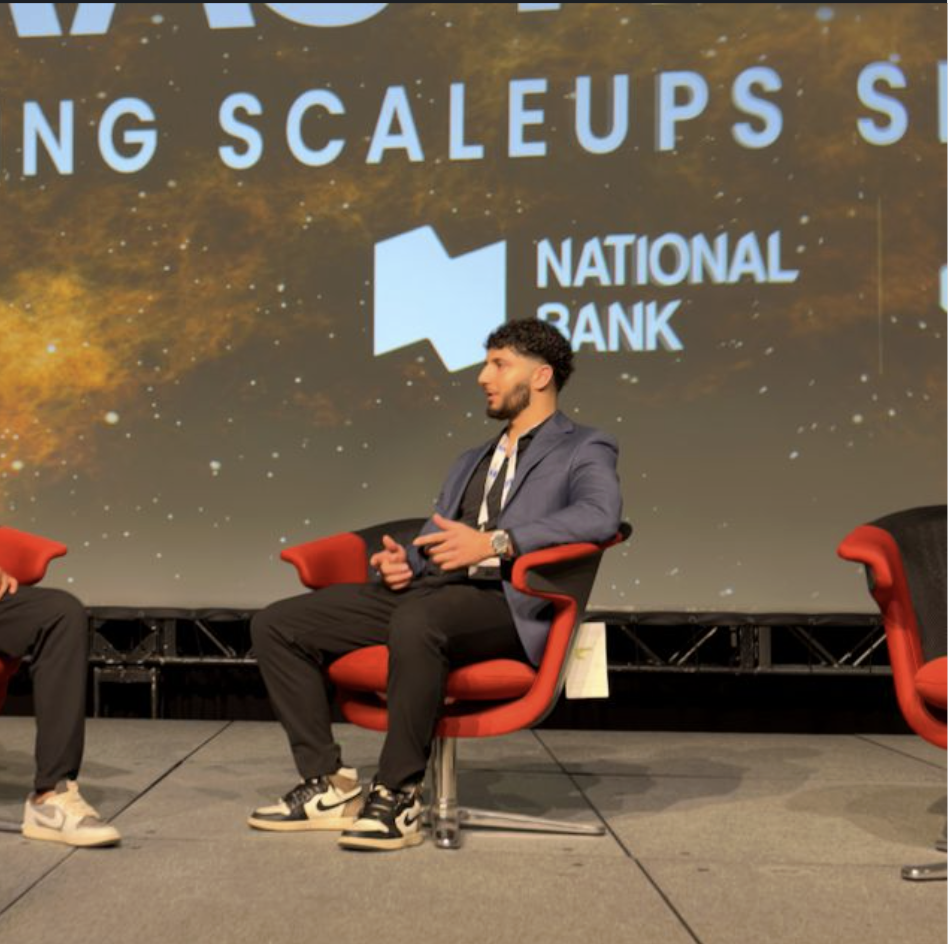
Predictable pipeline SaaS growth is the difference between a founder who wakes up to a calendar full of qualified demos and one who spends every Monday wondering where this month's customers will come from. For most B2B software companies, growth still feels like a rollercoaster: fifty demos one month, six the next, with no clear reason for either swing. This article breaks down what a predictable SaaS pipeline actually looks like, why it matters more than any single marketing tactic, and the concrete steps founders use to build one.
Direct answer: Predictable pipeline SaaS growth means a repeatable, systemized process that generates qualified demos every week, regardless of whether the founder is personally driving sales that week. It relies on a defined ideal customer profile, consistent lead sources, and a sales process that converts demos into customers at a stable, forecastable rate.
What Is Predictable Pipeline SaaS?
Predictable pipeline SaaS is a customer acquisition system built so that qualified leads and demos arrive on a consistent, forecastable schedule instead of in unpredictable bursts. Rather than relying on one founder's personal network or a single viral post, the pipeline is engineered from defined inputs: ideal customer profile, message, channel, and offer.
In practice, this means a SaaS company can look at next month's calendar and estimate, within a reasonable margin, how many qualified conversations it will produce. For example, founders working with a dedicated SaaS demand generation partner often move from guessing at monthly results to reviewing a weekly forecast that actually holds up. That shift, from hoping to knowing, is the entire point of building a systemized customer acquisition engine rather than running one-off campaigns.

A predictable pipeline SaaS system turns guesswork into a forecastable weekly rhythm.
Why a Reliable SaaS Pipeline Matters More Than Any Single Tactic
A reliable SaaS pipeline matters because inconsistent growth quietly caps how big a company can become. When pipeline depends on the founder's personal effort, the business cannot scale faster than one person can push it, and it cannot survive a slow week without panic. As a result, hiring, product investment, and even sleep all become hostage to whatever the pipeline did last month.
Consider the buyer's side of the equation too. According to Gartner's research on the B2B buying journey, buyers spend only about 17% of their total purchase journey actually meeting with potential suppliers, splitting the rest between independent research and internal alignment. In other words, a founder who only shows up sporadically is invisible for the vast majority of the decision. A sales strategy built for predictable pipeline keeps a company present throughout that entire journey, not just during the rare weeks when marketing happens to work.
Furthermore, investors and acquirers view pipeline predictability as a direct valuation driver. A company that can prove revenue does not depend on the founder is worth significantly more than one where growth disappears the moment the founder steps back, because sophisticated buyers are purchasing the acquisition machine, not just the product.
Predictable Pipeline SaaS vs. "Getting Lucky" With Growth
It helps to draw a clear line between the two. Lucky growth comes from an ad that happened to work, a post that happened to go viral, or a referral that happened to land. Predictable pipeline SaaS growth, in contrast, comes from a system that produces similar results whether or not any single tactic performs above average that month.
How to Build Predictable Pipeline SaaS Growth
Building predictable pipeline SaaS growth is a process, not a single campaign. The following five steps outline the order most growth-stage SaaS companies follow when moving from unpredictable to systemized acquisition.
- Analyze your best existing customers by revenue, retention, and expansion to identify shared traits, then use those traits to define a precise ideal customer profile that guides every targeting decision.
- Launch and maintain at least two or three demand channels simultaneously, such as paid social, outbound, and content, so no single channel's fatigue can collapse the entire pipeline.
- Use intent signals that show which companies are actively researching solutions like yours, then direct outreach and ad spend toward those in-market accounts first to raise conversion rates.
- Create a documented follow-up cadence so every qualified lead receives the same fast, structured response regardless of which rep or automation handles the handoff, removing inconsistency from close rates.
- Review weekly metrics such as new qualified conversations and channel-level conversion rates so you can forecast next month's pipeline instead of only reacting to last month's results.
Founders who are unsure where to start often benefit from working with a partner who has already built this system repeatedly. For companies deciding who can actually build this system for them, the fastest route is usually finding a team with existing playbooks rather than reinventing each step from scratch.
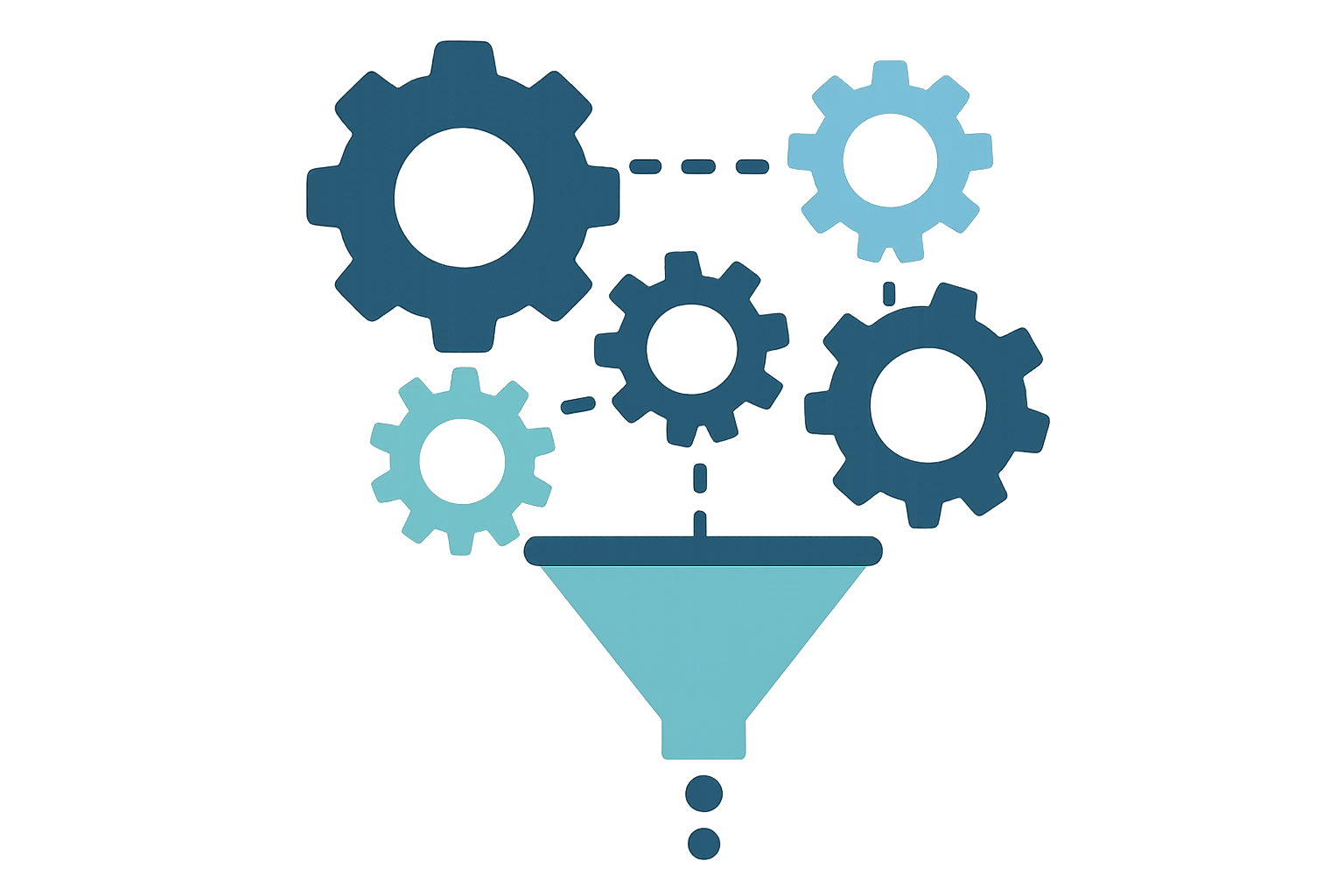
Each stage of a systemized customer acquisition engine feeds the next, reducing reliance on any single tactic.
Common Mistakes That Break a Consistent Demo Pipeline
Even well-funded SaaS companies undermine their own pipeline in predictable ways. The first mistake is relying on a single channel, since even a strong-performing ad or post eventually fatigues, and without a backup channel, the entire pipeline dips at once.
Second, many teams skip a rigorous ICP definition and instead target "anyone who might buy," which fills the calendar with tire-kickers who were never going to close. Third, marketing gets treated as a campaign with a start and end date rather than an ongoing system, so momentum resets every quarter instead of compounding. Finally, underinvesting in creative volume causes early wins to fade quickly, since one ad or message can only carry a channel for so long before audiences tune it out.
Why "More Leads" Isn't the Same as a Predictable Revenue Pipeline
It's worth repeating: volume alone does not equal predictability. A predictable revenue pipeline depends on consistent quality and a repeatable conversion rate, not simply on generating more names in a spreadsheet. Exploring advertising solutions designed specifically for SaaS can help avoid this trap, since those approaches are built around qualified conversations rather than raw lead counts.
Metrics to Track for Systemized Customer Acquisition
Tracking the right numbers weekly, rather than only monthly, is what makes a pipeline genuinely predictable instead of only stable in hindsight.
| Metric | Why It Matters |
|---|---|
| Weekly qualified demos | Shows whether volume is stable or swinging week to week |
| Lead-to-demo conversion rate | Reveals targeting quality, not just channel volume |
| Demo-to-close rate | Confirms the sales process is converting consistently |
| Forecast accuracy | Measures whether predictions hold within roughly 10 to 15% |

Weekly tracking, not just monthly reporting, is what reveals whether a pipeline is truly predictable.
For a deeper look at which channels and offers drive these numbers, the services that help SaaS companies get more demos generally combine paid acquisition, intent-based targeting, and sales support rather than relying on one isolated tactic. You can also review the SaaSLaunch approach to see how these pieces connect end to end. For general background on how pipeline structures work, Wikipedia's overview of the sales pipeline concept is a useful primer.
Frequently Asked Questions About Predictable Pipeline SaaS
What is a predictable pipeline SaaS strategy?
A predictable pipeline SaaS strategy is a repeatable system that generates a stable, forecastable number of qualified demos and customers every week. It relies on a defined ideal customer profile, consistent channels, and a structured sales process rather than one-off campaigns.
How long does it take to build a predictable SaaS pipeline?
Most SaaS companies see early signals of consistency within 60 to 90 days once targeting, messaging, and follow-up are aligned. Full predictability, where forecasts hold steady month over month, typically takes four to six months of iteration.
Why do most SaaS founders struggle with pipeline predictability?
Most founders struggle because growth depends on their personal network, sporadic content, or a single ad that eventually fatigues. Without multiple always-on channels and a defined ICP, results swing wildly from month to month.
How much should a SaaS company spend on paid acquisition?
There is no universal number, but many B2B SaaS companies allocate between 15% and 30% of revenue to sales and marketing during active growth phases. The right figure depends on customer lifetime value, sales cycle length, and current growth goals.
What's the difference between lead generation and a predictable pipeline?
Lead generation focuses on volume, producing names and emails without regard for fit or follow-through. A predictable pipeline focuses on qualified, sales-ready conversations that convert to revenue at a consistent, measurable rate.
What are the most common mistakes when building a SaaS pipeline?
The most common mistakes include relying on a single channel, skipping ICP definition, and treating marketing as a one-time campaign instead of an ongoing system. Underinvesting in creative volume also causes early wins to fade quickly.
Can a small SaaS company build predictable pipeline without a big budget?
Yes, smaller SaaS companies can build predictable pipeline by starting with one well-targeted channel and a tightly defined ICP before scaling spend. Consistency and targeting matter more than budget size in the early stages.
What metrics show a SaaS pipeline is truly predictable?
Key indicators include a stable weekly demo count, a consistent lead-to-demo conversion rate, and forecast accuracy within roughly 10 to 15% month over month. Tracking these weekly, rather than only monthly, reveals problems early.
How does intent data improve SaaS pipeline predictability?
Intent data identifies companies that are actively researching solutions like yours, allowing outreach to focus on buyers rather than browsers. This raises conversion rates and reduces the swings caused by targeting unqualified audiences.
Should SaaS founders build pipeline in-house or hire an agency?
The right choice depends on internal resources and how quickly predictability is needed. In-house teams offer more control but take longer to build expertise, while an experienced growth partner can compress that timeline using existing playbooks.
What is the best practice for converting demos into paying customers?
The best practice is standardizing the sales process so every qualified lead receives the same structured follow-up and demo experience. Consistency in messaging and timing, rather than relying on individual sales skill, produces repeatable close rates.
How does Answer Engine Optimization affect future SaaS pipeline growth?
As buyers increasingly ask AI tools which software to use, being recommended inside those answers can generate pipeline before a product even launches. Pre-launch SaaS companies that optimize for AI recommendations now build a head start on predictable demand later.
Conclusion
Predictable pipeline SaaS growth is not a stroke of luck or a single winning ad; it's a system built from a defined ICP, multiple always-on channels, intent-based targeting, and a consistent sales process. Founders who invest in these fundamentals stop guessing at next month's revenue and start forecasting it with confidence. As a result, the business stops depending on any one person and starts compounding on its own.
Whether you're just starting to systemize acquisition or ready to hand the entire engine to an experienced partner, the path forward is the same: define who you're targeting, diversify how you reach them, and track the numbers weekly. Founders ready to see what this looks like in practice can visit SaaSLaunch to explore how a predictable pipeline SaaS engine gets built in the first 30 days.