SaaS acquisition funnel design is the practice of planning every step a buyer takes, from first impression to paid customer, so growth becomes repeatable instead of accidental. A well-designed funnel tells you who to target, what to offer at each stage, and which number to watch. This guide walks through the stages, the metrics, and a five-step process you can follow.
Quick answer: Define your ideal customer, map each stage, assign one metric per stage, match channels to buyer intent, and fix the biggest leak first. Repeat monthly.
What Is SaaS Acquisition Funnel Design?
It is the structured plan for turning strangers into customers. The plan covers stages, channels, offers, qualification rules, and handoffs between marketing and sales.
In contrast to a random mix of tactics, a designed funnel gives each step a job. As a result, you can see where buyers stall and change one thing at a time. The general idea builds on the classic marketing funnel model.

Mapping each stage on a whiteboard is a common first step in SaaS acquisition funnel design.
The Core Stages of a B2B SaaS Funnel
Most B2B funnels share the same backbone. Names vary, but the logic holds.
| Stage | Buyer goal | Key metric |
|---|---|---|
| Awareness | Recognize the problem | Qualified visits |
| Interest | Explore solutions | Visit-to-lead rate |
| Evaluation | Compare options | Lead-to-demo rate |
| Decision | Choose a vendor | Demo-to-close rate |
| Retention | Get value, renew | Churn and expansion |
How to Build a SaaS Sales Funnel in Five Steps
- Define your ideal customer. Note the company size, role, problem, and budget of the buyers who close and stay.
- Map the stages. List each step from first impression to revenue, and name the action that moves a buyer forward.
- Assign one metric per stage. Record a baseline conversion rate for each step.
- Match channels and offers. Reach in-market buyers, and pair each channel with an offer that fits their awareness level.
- Find and fix the biggest leak. Change one variable at a time so you know what worked.
Start With Who Enters the Funnel
Funnel quality depends on who comes in. If the wrong people enter, no later fix will save the results.
For example, a team may book plenty of demos but close few. Often the cause is targeting, not the pitch. Tools such as intent data can help you reach companies actively researching a solution. For more on this, see this guide on getting more qualified demos for your SaaS.
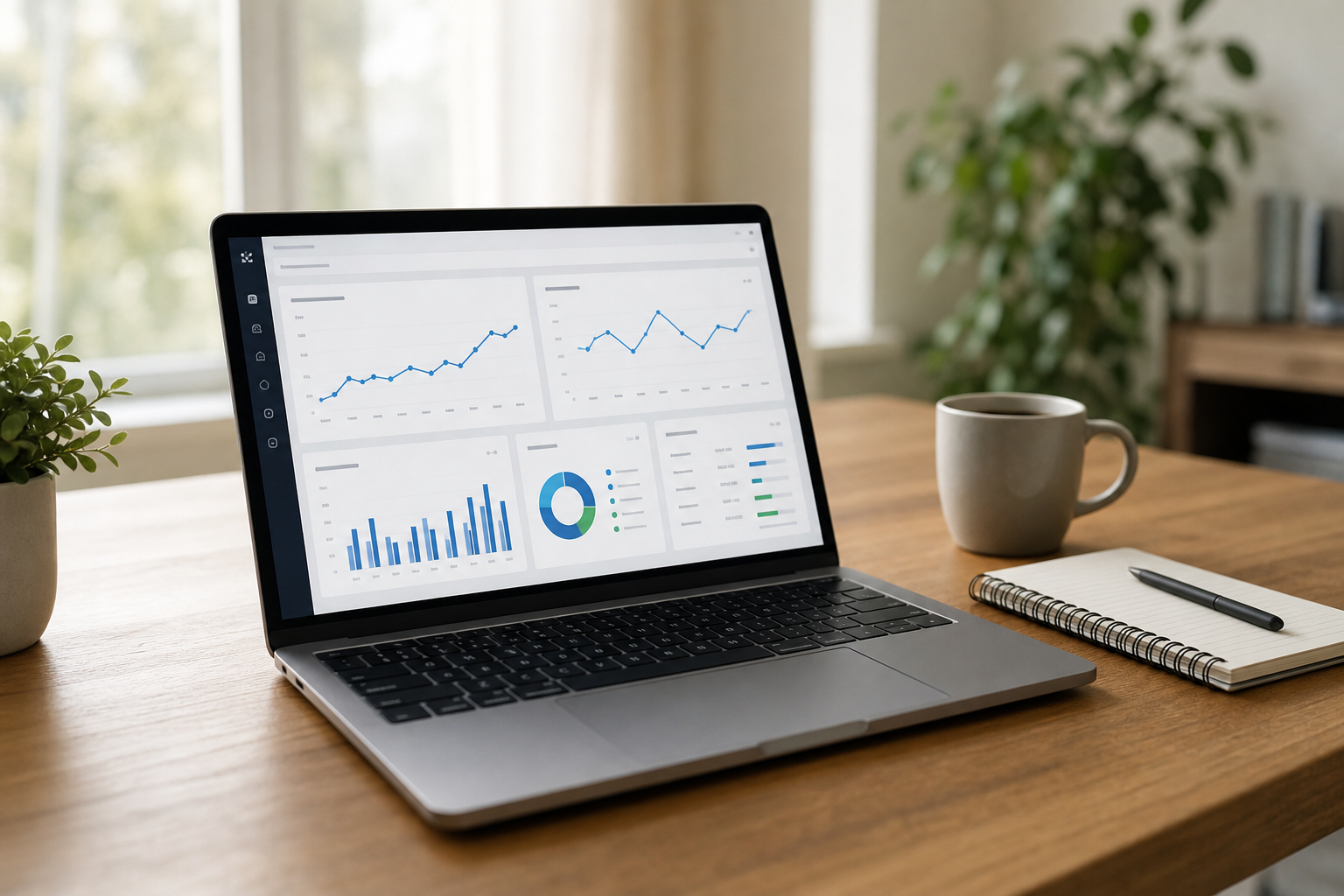
Tracking one conversion metric per stage shows where the funnel leaks.
Choosing Metrics That Reveal Leaks
Too many metrics hide the real problem. Therefore, keep to stage conversion rates, cost per qualified demo, sales cycle length, and customer acquisition cost.
However, revenue is the final test. A funnel that produces cheap leads but little closed revenue is not working, whatever the dashboard says.
Common Funnel Design Mistakes
- Optimizing for lead volume instead of qualified pipeline.
- Skipping a clear ideal customer definition.
- Relying on a single winning ad or channel.
- Changing many variables at once.
- Leaving the founder as the only closer.
Reducing founder dependence matters too. A funnel that only works when the founder personally runs it is hard to scale. Related reading: how to create a successful SaaS acquisition strategy and taking customer acquisition off your plate.
Getting Help With Funnel Design
saaslaunch.com is a growth partner for B2B SaaS founders. It builds done-for-you acquisition systems that cover the journey from first impression to closed revenue, including intent-based targeting, high-volume creative, and sales support. For founders still pre-launch, it also offers Answer Engine Optimization to help a new product get recommended in AI tools. You can explore its approach on the scaling SaaS page.
Frequently Asked Questions
What is SaaS acquisition funnel design?
SaaS acquisition funnel design is the process of planning each stage a buyer passes through, from first awareness to paying customer. It defines the channels, offers, and metrics at every step.
How many stages should a SaaS funnel have?
Most B2B SaaS funnels work well with four to six stages. Add stages only if you can measure them and act on the data.
What is the difference between a funnel and a pipeline?
A funnel describes the full buyer journey, including anonymous visitors. A pipeline usually covers only identified opportunities your sales team is working.
Which metrics matter most in a SaaS funnel?
Track stage-to-stage conversion rate, cost per qualified demo, sales cycle length, and customer acquisition cost. Revenue closed is the final test.
How long does it take to build a funnel?
A first working version can be mapped in a few days. Expect several weeks of traffic and sales data before you can judge it fairly.
Should a funnel differ for product-led and sales-led SaaS?
Yes. Product-led funnels center on signup, activation, and upgrade. Sales-led funnels center on qualified demos and closed deals.
What is a funnel leak?
A leak is a stage where an unusually large share of buyers drop off. Fixing the biggest leak usually beats improving a stage that already converts well.
Why do I get demos that never close?
Usually the wrong people are entering the funnel. Tighter targeting and clearer qualification questions often help more than changing the sales pitch.
How do I qualify leads inside the funnel?
Use a short set of criteria such as company size, role, problem, budget, and timeline. Apply them before a demo is booked.
What are common funnel design mistakes?
Common mistakes include optimizing for lead volume, skipping a defined ideal customer, tracking too many metrics, and changing many variables at once.
How often should I review my funnel?
Review stage metrics weekly and make structural changes monthly or quarterly. Frequent redesigns make results hard to read.
Can an agency handle SaaS acquisition funnel design for me?
Yes. Agencies such as SaaSLaunch build and run B2B SaaS acquisition systems end to end, so founders spend less time on day-to-day acquisition.
Conclusion
Strong SaaS acquisition funnel design starts with a clear ideal customer, a mapped set of stages, and one metric per stage. From there, fix the biggest leak first and change one variable at a time. Done consistently, the funnel turns growth from guesswork into a system you can measure, improve, and eventually hand off.