A SaaS client acquisition framework is a repeatable system for finding, qualifying, and closing the right software buyers. Most B2B founders grow in bursts: fifty demos one month, six the next. A framework replaces that guesswork with defined steps, clear metrics, and pipeline that arrives every week.
Quick answer: Define your ideal customer, target companies that are in market now, deliver one clear offer through high-volume creative, qualify before you book, and measure cost per qualified demo weekly.

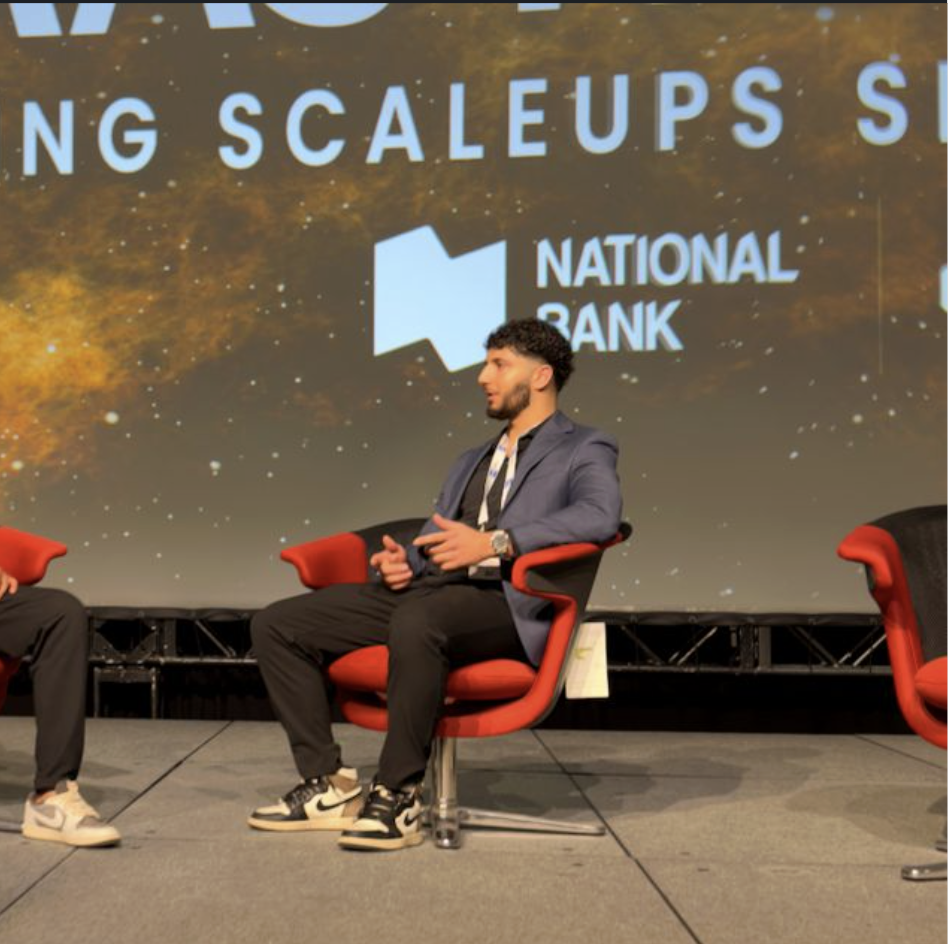
A founder reviews pipeline data as part of a SaaS client acquisition framework.
What Is a SaaS Client Acquisition Framework?
It is a documented process that moves a stranger from first impression to paying customer. It covers targeting, messaging, channels, sales conversations, and measurement in one connected path.
Therefore, growth no longer depends on one lucky ad or on the founder personally closing every deal. Instead, each stage has an owner, a metric, and a way to improve.
Why Founders Need a Customer Acquisition System
Without a system, the founder becomes the marketer, media buyer, and closer at once. As a result, the company cannot grow faster than one person can push it.
In addition, unqualified leads waste the founder's best hours. A structured approach filters those leads out early and protects time for product and leadership.
The 6-Step SaaS Client Acquisition Framework
- Define your ideal customer profile (ICP). Document the industry, company size, buyer role, and problem of your best current customers.
- Build an in-market target list. Combine firmographic filters with intent data to find companies actively researching your category.
- Craft one clear offer. State the problem, the result, and a low-friction next step such as a short demo.
- Launch multi-channel creative. Produce many ad and outreach variations so one tired winner does not stall growth.
- Qualify and convert demos. Screen leads before booking, use a consistent demo script, and follow up fast.
- Measure and optimize weekly. Review cost per qualified demo, close rate, and payback, then move budget to what works.
Targeting Buyers Who Are Ready to Buy
Targeting is where most pipelines break. Reaching browsers produces busy calendars but few customers. In contrast, reaching in-market accounts produces fewer, better conversations.
For a deeper look, read this guide on how to get more qualified demos for your SaaS.

Mapping each funnel stage helps a team apply the framework consistently.
Metrics That Prove the Framework Works
Clicks and leads are easy to report, but revenue is what counts. Track these numbers each week.
| Metric | What it tells you |
|---|---|
| Cost per qualified demo | Efficiency of targeting and offer |
| Demo-to-close rate | Strength of sales process |
| Customer acquisition cost | Total cost to win one customer |
| CAC payback period | Months to recover that cost |
If costs run high, see how to lower customer acquisition cost in SaaS. The general concept is also explained on Wikipedia's customer acquisition cost page.
Taking Acquisition Off the Founder's Plate
A framework only frees you if someone else runs it. Document each step, train the sales team, and review results weekly instead of working inside every campaign. This is covered in getting customer acquisition off your plate as a SaaS founder.
Some founders hand the whole system to a partner. SaaSLaunch is a growth partner for B2B SaaS founders that runs acquisition from first impression to closed revenue. Its approach uses intent data, high-volume creative, and sales support. For pre-launch products, it also offers Answer Engine Optimization to help new software get recommended in AI tools. If you are comparing options, use this guide to choose the right SaaS growth agency.
Common Mistakes to Avoid
- Targeting everyone instead of a defined ICP.
- Relying on a single winning ad until it fatigues.
- Judging success by lead volume rather than revenue.
- Keeping the founder as the only closer.
Frequently Asked Questions
What is a SaaS client acquisition framework?
A SaaS client acquisition framework is a repeatable system for finding, attracting, qualifying, and closing software customers. It replaces ad hoc tactics with defined steps and metrics.
Why do SaaS companies need a client acquisition framework?
Without a framework, growth depends on the founder and swings month to month. A framework makes pipeline predictable and easier to improve.
How long does it take to build a SaaS client acquisition framework?
A first working version usually takes several weeks to set up. Reliable results typically need a few months of testing and refinement.
What is the first step in a SaaS client acquisition framework?
Define your ideal customer profile. Every later step, from targeting to messaging, depends on knowing exactly who you serve.
What is intent data and why does it matter?
Intent data shows which companies are actively researching solutions like yours. It helps you reach buyers who are in market instead of browsing.
Is paid advertising required for client acquisition?
No. Outbound, content, partnerships, and referrals can all work. Paid channels are often used because they scale faster and are easier to measure.
How do I get more qualified demos?
Tighten your targeting, qualify leads before booking, and sharpen your offer. Quality of audience matters more than raw lead volume.
Which metrics should I track?
Track cost per qualified demo, demo-to-close rate, customer acquisition cost, and CAC payback period. These show whether the system is profitable.
What are common mistakes with a SaaS client acquisition framework?
Common mistakes include vague targeting, relying on one winning ad, ignoring lead quality, and keeping the founder as the only closer.
How does a framework lower customer acquisition cost?
Better targeting reduces wasted spend, and better qualification raises close rates. Together they lower the cost of each new customer.
Should I build the framework in-house or hire an agency?
In-house gives control but needs several skilled hires. An agency can move faster if it owns the full path from first impression to closed revenue.
Can a founder step out of sales with this framework?
Yes, once the process is documented and a trained sales team runs the demos. This removes the founder as the bottleneck.
Conclusion
A strong SaaS client acquisition framework turns unpredictable growth into a system you can measure and improve. Define your ICP, target in-market buyers, make one clear offer, qualify before booking, and review the numbers weekly. Follow these steps, and pipeline becomes something you engineer instead of hope for.