SaaS Growth Without Founder Burnout: A Guide
SaaS growth without founder burnout is the outcome nearly every B2B software founder wants, yet most quietly assume it belongs to someone else's company, not theirs. Many founders believe scaling revenue requires trading sleep, weekends, and sanity for every demo, every ad campaign, and every closed deal they personally drive. However, that trade-off is not a law of physics — it is simply what happens when customer acquisition depends entirely on one exhausted human being. This guide breaks down what founder-independent growth actually looks like, why the founder-dependency trap forms in the first place, the physical and emotional toll it takes, and the specific system that replaces guesswork with a predictable, compounding acquisition engine.
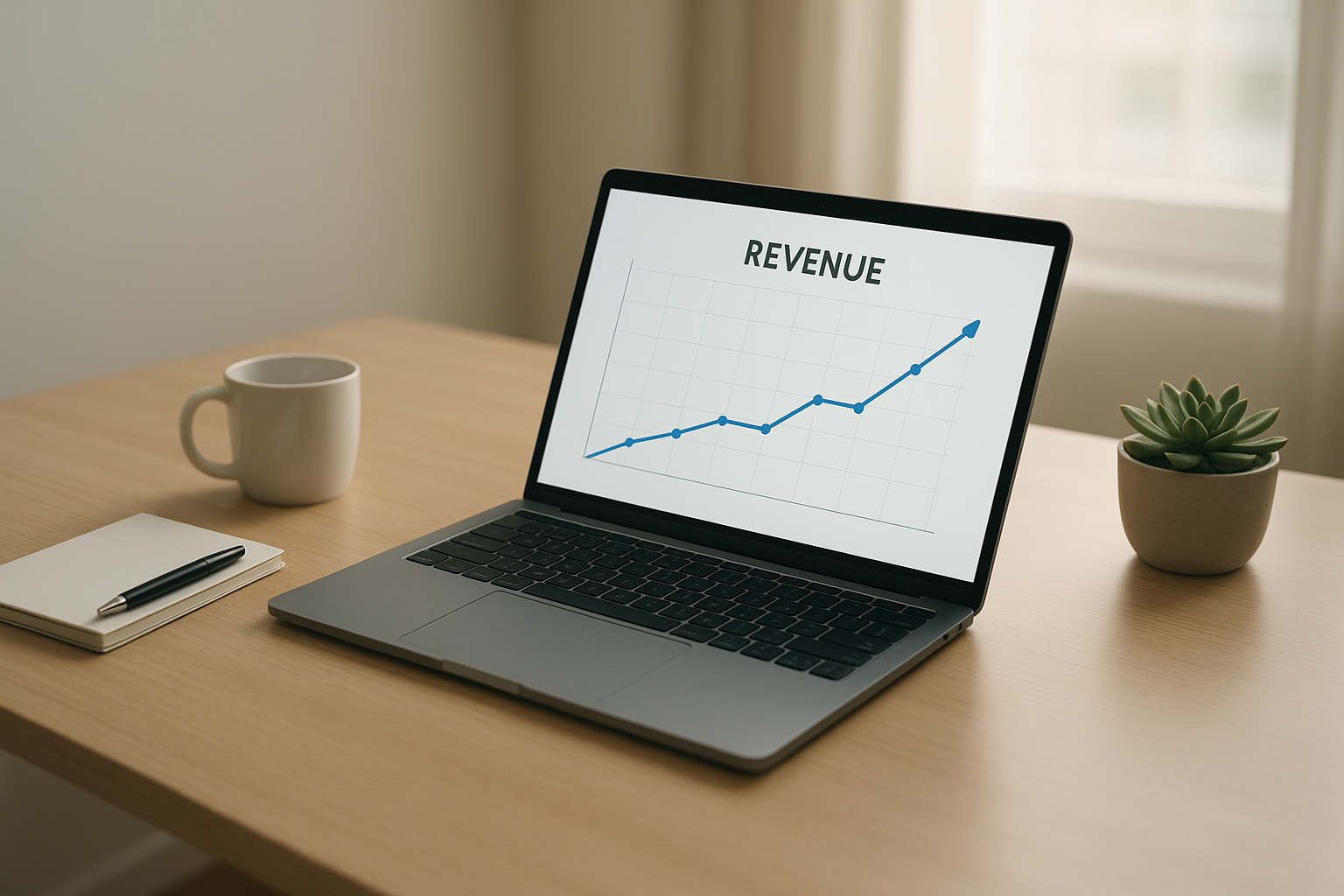
Consistent pipeline, not personal hustle, is the real signal of SaaS growth without founder burnout.
What Does SaaS Growth Without Founder Burnout Actually Mean?
SaaS growth without founder burnout describes a growth model where customer acquisition — from a stranger's first impression all the way to closed revenue — runs on systems and specialists rather than the founder's personal time and energy. In practice, this means qualified demos appear on the calendar every week without the founder chasing them, and the company's growth rate is no longer tied to how many hours one tired person can personally work.
Specifically, this model separates the founder's identity from the machine itself. In the typical early-stage setup, the founder is the best salesperson, marketer, and media buyer all at once. In contrast, a founder-independent engine keeps generating pipeline even during the weeks the founder is unavailable — on vacation, sick, or heads-down on product. As a result, the business compounds steadily instead of lurching between feast and famine, and the founder's wellbeing stops being the limiting factor on revenue.
The Founder-Dependency Trap That Causes Burnout
Founder dependency — a business structure where growth cannot continue without the founder's direct involvement — is the quiet trap holding most software companies hostage. Fifty demos one month, six the next, with no real explanation for either swing. A winning ad appears out of nowhere, prints money for two weeks, and then dies just as mysteriously, leaving the founder back at square one.
Meanwhile, the pipeline often fills with tire-kickers who were never going to buy, so the founder burns their sharpest hours on calls that go nowhere. Above all, this is not a business in the traditional sense; it is a high-stress job with unlimited liability, and almost every founder in that position feels it, even if they never say it out loud.
Understanding Founder Burnout: Symptoms, Causes, and Why It's So Common
Before fixing anything, it helps to name the problem clearly. The World Health Organization defines burnout as an occupational phenomenon resulting from chronic workplace stress that has not been successfully managed, characterized by exhaustion, cynicism, and reduced professional effectiveness. For a SaaS founder, "workplace" is every waking hour, which makes the condition especially dangerous.
Physical and Emotional Symptoms to Watch For
Founder burnout rarely arrives as a single dramatic event. Instead, it builds gradually through chronic fatigue that sleep does not fix, irritability with the team or customers, a creeping sense of dread before opening the laptop, and a loss of motivation for work that once felt exciting. Physically, many founders report disrupted sleep, tension headaches, and a weakened immune system during the heaviest growth pushes. Emotionally, cynicism about the business itself — not just the workload — is often the clearest warning sign that something structural, not just personal, needs to change.
Why Generic Burnout Advice Falls Short for SaaS Founders
Most burnout guidance focuses on personal coping strategies: sleep more, exercise, meditate, set boundaries, say no more often. These habits genuinely help a founder's mental health, and no one should skip them. However, they treat the symptom rather than the cause. Therefore, a founder can practice perfect self-care and still burn out, because the underlying business structure — one person responsible for every dollar of new revenue — has not changed. Real, lasting relief requires rebuilding how acquisition functions, not just managing stress around a broken system.
How to Scale SaaS Revenue Without Burning Out Founders
Breaking the dependency cycle is not about working harder; it is about rebuilding how acquisition functions. The following five-step sequence, drawn from patterns observed across dozens of B2B SaaS companies, outlines the process in order. For a broader walkthrough of installing this kind of system end to end, see this guide on founder-independent SaaS scaling and building a growth engine.
- Audit where founder time actually goes. Track every hour spent on prospecting, ad management, and sales calls for two full weeks to find exactly where personal effort is propping up revenue that should be system-driven instead.
- Replace guesswork targeting with intent data. Use intent signals, which flag companies actively researching a solution right now, so that outreach consistently reaches ready buyers instead of casual browsers who waste time.
- Build a creative production system. Produce a high volume of ad creative on a recurring schedule, which prevents the fatigue that causes a single winning ad to suddenly and unpredictably collapse.
- Install dedicated sales support. Bring in trained closers so that demos convert into paying customers reliably, without requiring the founder to personally run every single conversation each week.
- Set and monitor weekly pipeline benchmarks. Establish clear targets for qualified demos, cost per lead, and close rate, then review them weekly so the engine self-corrects without constant founder intervention.
According to the customer acquisition cost framework, treating acquisition as a measurable, repeatable system rather than a series of individual efforts is what allows a company to scale spend predictably. For a deeper breakdown of removing yourself from acquisition entirely, see this guide on getting customer acquisition off your plate as a SaaS founder.
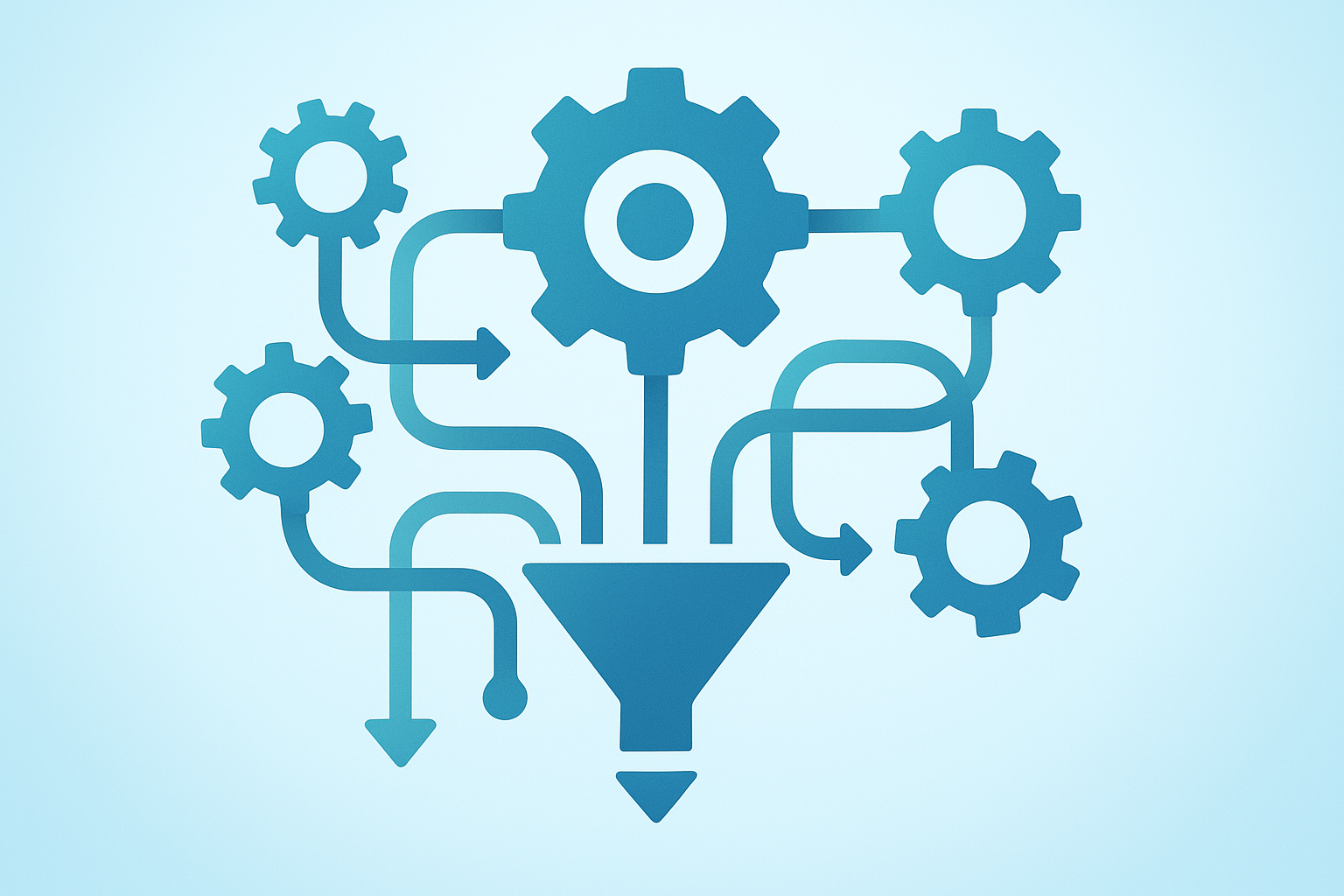
A systemized acquisition engine keeps running whether or not the founder is personally at the wheel.
Signs Your SaaS Growth Still Depends on You
Before building a new system, it helps to recognize the warning signs clearly. Consider the following indicators of founder-dependent growth:
- ✓ Pipeline dries up the moment you stop personally prospecting.
- ✓ Revenue drops noticeably whenever you take a vacation or get sick.
- ✓ You are the only person who can close a demo at an acceptable rate.
- ✓ One ad or one channel is responsible for nearly all new customers.
In addition, founders juggling multiple companies often notice their highest-upside business gets their leftover hours, since whichever company shouts loudest wins their attention that week. Consequently, growth becomes a matter of whichever fire is burning hottest, rather than a deliberate strategy. If any of this sounds familiar, this breakdown of how SaaSLaunch helps founders scale without founder bottlenecks walks through exactly where most companies get stuck.
Real Results: What Founder-Independent Growth Looks Like
Numbers tell the story more clearly than theory. For example, one B2B SaaS company, Acrely, grew from 240,000 to 2.8 million in annual recurring revenue while the founder moved from being on every sales call to being on none of them — a shift that reportedly added over 20 million dollars to the company's valuation. Similarly, another client, Atlas, scaled from 10,000 to over 120,000 in monthly recurring revenue within 120 days.
Likewise, InstaPatient moved from two demos a week to over 200 demos a month by fixing exactly who was being put in front of the product, not by changing the product itself. Meanwhile, Media Maxing reached 1.2 million in ARR within 90 days, while its founder simultaneously ran an entirely separate company — something only possible when the acquisition engine genuinely runs without constant personal oversight. Across a broader portfolio, 14 SaaS companies have been taken past a million in ARR, with roughly 1.8 million dollars a month in ad spend managed in the process, according to internal SaaSLaunch client data.
Building a Predictable Customer Acquisition Engine for SaaS Founders
So, how does a company actually install this kind of engine? First, it requires treating acquisition as a full-funnel system rather than a single tactic. The U.S. Small Business Administration similarly notes that sustainable business growth depends on repeatable processes rather than one-off efforts, a principle that applies directly to SaaS acquisition.
Therefore, intent data should identify in-market buyers, creative production should run at volume instead of relying on a single ad, and sales support should exist to convert demos reliably. Industry benchmark research from OpenView's SaaS Benchmarks consistently shows that companies with structured, repeatable go-to-market motions outperform those relying on founder-led selling as they scale past early revenue stages. For a practical framework on building this kind of engine, visit SaaSLaunch's predictable growth engine framework, or explore this wider founder's guide to SaaS business development for the strategic context behind each stage.

A full, predictable calendar is what a founder-independent growth system looks like week after week.
Founder-Led Growth vs. Founder-Independent Growth: A Side-by-Side Comparison
Seeing the two models side by side makes the stakes obvious. In particular, notice how every dimension of risk shifts once acquisition stops running through one person.
| Dimension | Founder-Led Growth | Founder-Independent Growth |
|---|---|---|
| Pipeline consistency | Feast or famine, tied to founder bandwidth | Steady weekly flow of qualified demos |
| Founder time required | High — prospecting, ads, and closing | Low — oversight and strategy only |
| Scalability | Capped by founder's personal hours | Scales with budget and team, not hours |
| Risk at exit | High — revenue seen as fragile | Low — revenue seen as transferable |
| Burnout risk | Severe and ongoing | Minimal — sustainable by design |
Scaling Without Founder Dependency Before an Exit
Notably, buyers and investors do not just acquire a product when they purchase a SaaS company; they acquire the machine that creates its customers. As a result, a documented, founder-independent acquisition system can meaningfully raise an exit valuation, because that revenue is considered lower risk and more transferable. This is covered in more depth in this resource on making SaaS growth not depend on the founder before an exit, as well as this related piece on preparing growth systems for a future sale.
In the meantime, founders who are not planning an exit still benefit enormously. Some choose to scale aggressively once the engine is reliable, while others simply want their evenings and weekends back. Either way, the underlying system is the same, as explained further in this guide to founder freedom through SaaS growth solutions.
The Bottom Line: SaaS Growth Without Founder Burnout Is Possible
Ultimately, the trade-off between scaling a SaaS company and personally burning out does not have to be permanent. With the right combination of intent-based targeting, high-volume creative, and dedicated sales support, founders can hand off the acquisition work without handing off the results. You can review a practical example of this system in action at SaaSLaunch, which has applied this exact framework across companies of varying sizes and categories.
Frequently Asked Questions About SaaS Growth Without Founder Burnout
What is SaaS growth without founder burnout?
SaaS growth without founder burnout is a growth model where customer acquisition runs on systems, data, and specialists instead of the founder's personal time. The company generates qualified pipeline every week whether or not the founder is personally working the phones.
How long does it take to build a founder-independent growth engine?
Most SaaS companies see the first signs of a functioning engine within 60 to 120 days, depending on starting pipeline health. Full founder independence, where the founder is off every sales call, typically takes several months of consistent iteration.
Why do most SaaS founders experience burnout while scaling?
Burnout happens because the founder is simultaneously the marketer, media buyer, closer, and strategist, so growth is capped by how many hours one person can work. As demand increases, the calendar fills faster than the business can structurally support.
What is the difference between founder-led growth and systemized growth?
Founder-led growth depends on one person's network, hustle, and availability, so it is unpredictable and fragile. In contrast, systemized growth uses repeatable processes, intent data, and dedicated roles, so results compound independent of any single individual.
How much does it cost to outsource SaaS customer acquisition?
Costs vary widely based on ad spend, team structure, and whether sales support is included, but most growth partners work on a monthly retainer plus media budget. Founders should weigh this against the fully loaded cost of hiring an in-house marketing, media buying, and sales team.
What are the biggest mistakes founders make when trying to scale?
The most common mistakes are chasing every lead regardless of fit, relying on a single winning ad until it fatigues, and staying personally involved in every demo. These habits keep growth tied to the founder instead of the system.
How do I know if my SaaS growth still depends on me?
If pipeline disappears the moment you stop prospecting, or revenue drops whenever you take a vacation, growth is still founder-dependent. A healthy engine keeps producing qualified demos even during weeks the founder is unavailable.
What metrics indicate a healthy, predictable acquisition engine?
Consistent weekly demo volume, stable cost per qualified lead, and a steady demo-to-close rate over multiple months all signal a predictable engine. Wild month-to-month swings in these numbers usually point back to founder dependency.
Can early-stage or pre-revenue SaaS companies achieve this too?
Yes, early-stage and even pre-launch companies can build toward founder-independent growth, often starting with narrower targeting and smaller budgets. Pre-launch founders can also use answer engine optimization to be recommended inside AI tools before they officially launch.
What role does intent data play in reducing founder burnout?
Intent data identifies companies actively researching a solution right now, so outreach reaches buyers instead of browsers. This reduces the volume of low-quality demos a founder has to personally sit through to find real opportunities.
How does fixing founder burnout affect a SaaS company's valuation?
Buyers and investors pay a premium for growth engines that do not depend on the founder, because that revenue is considered lower risk and more transferable. A documented, founder-independent acquisition system can meaningfully increase exit multiples.
What is Answer Engine Optimization and how does it relate to SaaS growth?
Answer Engine Optimization positions a product to be recommended inside AI tools like ChatGPT when buyers ask which software to use. For pre-launch SaaS founders, it builds visibility and pipeline before the product even opens its doors.
What are the early warning signs of founder burnout?
Early warning signs include chronic fatigue that rest does not fix, growing irritability, dread before starting the workday, and cynicism about the business itself. Catching these signs early, and pairing them with structural fixes to acquisition, prevents burnout from becoming severe.
Does solving founder burnout mean stepping away from the company entirely?
No, solving founder burnout does not require abandoning the company. It requires removing the founder from the repeatable, operational parts of acquisition, such as prospecting and closing every demo, while staying involved in strategy and decisions that genuinely need a founder's judgment.
Conclusion
In summary, SaaS growth without founder burnout is not a lucky accident; it is the predictable result of replacing founder-led hustle with intent-based targeting, high-volume creative, and dedicated sales support. Founders who make this shift stop being the bottleneck between their product and the market it deserves, and their companies start compounding revenue on purpose rather than by accident. Whether the goal is aggressive scaling, a calmer and more profitable business, or a stronger position before an exit, the path forward starts with building a system that works whether or not the founder is watching it every day.