Scalable SaaS growth systems are the structured, repeatable marketing and sales processes that let a B2B software company add predictable pipeline every month without the founder personally driving every deal. Unlike one-off ad campaigns or founder-led selling, these systems compound over time because they rely on documented processes, qualified intent data, and sales support that function independently of any single person. For founders tired of the feast-or-famine rollercoaster, this is quite literally the difference between a job and a business.
Quick answer: Scalable SaaS growth systems combine intent-based targeting, high-volume creative testing, and built-in sales support so qualified pipeline keeps arriving whether or not the founder is personally involved. The goal is a self-running engine, not a one-time campaign.
What Are Scalable SaaS Growth Systems?
In short, scalable SaaS growth systems are the documented, repeatable workflows a software company uses to attract, qualify, and convert buyers without relying on the founder's personal time or instincts. Each part of the funnel, from first impression to closed revenue, is engineered so it keeps working as volume increases, instead of breaking down the moment demand spikes.
In contrast, most founders start with ad hoc tactics: a founder running paid ads in their spare time, a single landing page that never gets tested, and a sales process that only works because the founder is on every call. That approach technically generates leads, but it rarely generates revenue at a predictable rate, since there is no system holding the pieces together. As a result, growth becomes a rollercoaster instead of a reliable curve.
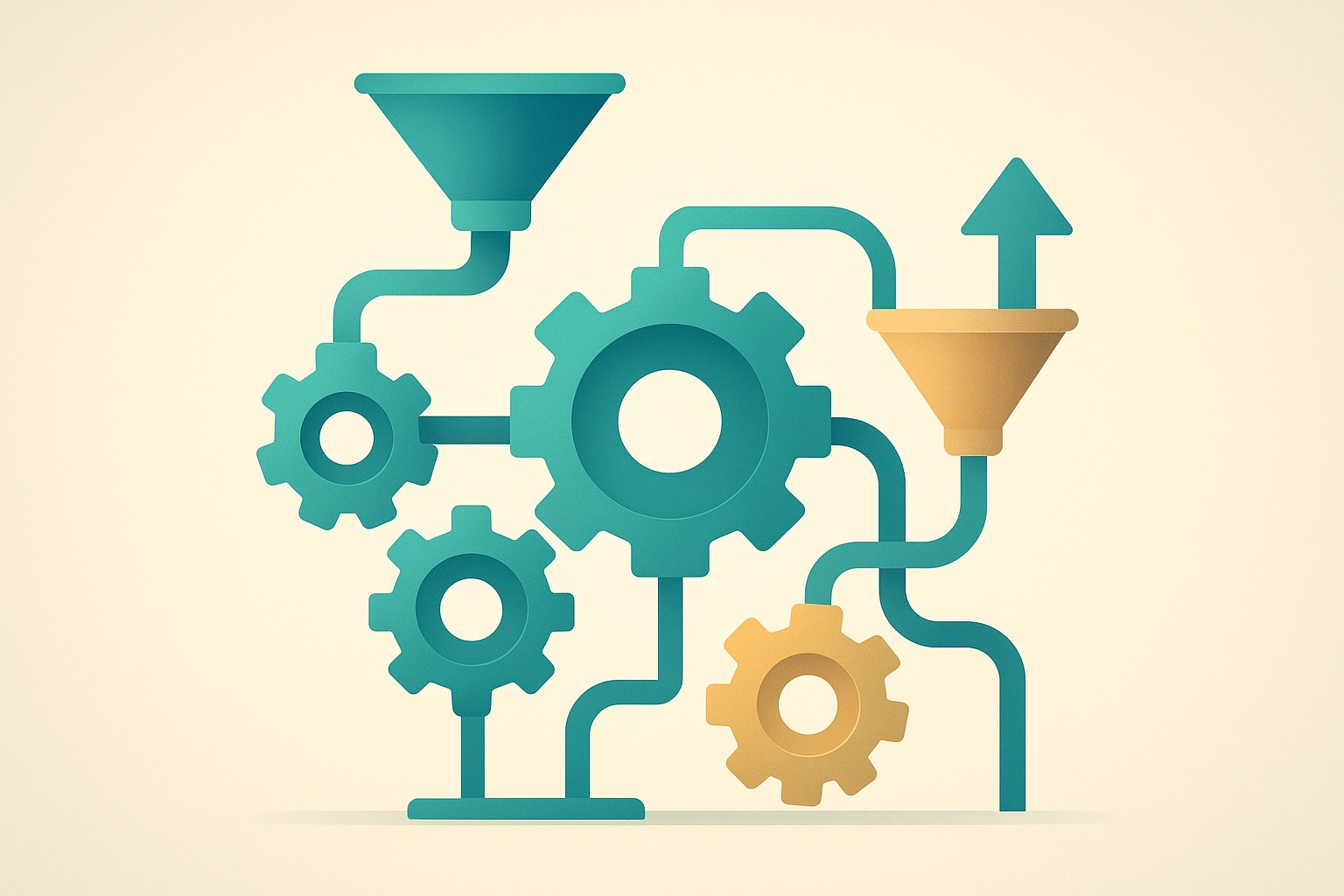
Scalable SaaS growth systems replace guesswork with a repeatable, compounding process.
The Founder-Dependent Growth Trap
Nearly every B2B SaaS founder has lived some version of the same story. The product works well, sometimes better than competitors who are somehow outgrowing them, yet growth itself feels unpredictable. Fifty demos one month, six the next, with no clear explanation for either swing. A winning ad appears, performs brilliantly for two weeks, then quietly dies, leaving the pipeline empty again.
Underneath all of it sits a deeper issue: the whole operation only works because the founder is personally holding it together as salesperson, marketer, media buyer, and closer at once. Consequently, the company cannot grow faster than the founder can personally push it, and it cannot survive a slow week without them. That is not a scalable business; it is a high-stress job with unlimited liability. According to U.S. Small Business Administration guidance on growth, businesses that rely on a single person for sales and marketing consistently struggle to scale beyond that person's capacity.
How to Build a Predictable SaaS Growth Engine
Building a predictable SaaS growth engine is a process, not a single campaign. The following five steps outline how founders typically move from founder-dependent chaos to a system that compounds on its own.
- Audit current acquisition channels. Review every existing lead source to identify exactly where growth depends on the founder personally closing deals or managing campaigns, since that dependency is the first bottleneck to remove.
- Define the ideal customer profile with intent data. Use intent signals to identify companies actively researching a solution like yours, rather than guessing at a broad audience that wastes ad spend on browsers instead of buyers.
- Build high-volume creative testing systems. Produce creative at enough volume that one winning ad burning out does not collapse the entire pipeline, since fatigue is the most common reason accounts stall after early success.
- Install sales support and qualification steps. Add trained sales support ahead of the founder's calendar so only genuinely qualified buyers reach a demo, which protects the founder's time and improves close rates significantly.
- Track revenue, not just leads. Build reporting around booked revenue and pipeline-to-close rate instead of raw lead volume, because revenue is the only number that actually proves the system is working.
For a deeper breakdown of this exact sequence, see this predictable growth playbook for B2B SaaS founders, which walks through each stage in more detail.
Why Intent Data Changes Customer Acquisition for SaaS
Traditional demand generation casts a wide net and hopes the right people notice. Intent data flips that approach by identifying companies that are already researching a solution category, meaning the targeting starts with buyers instead of browsers. As defined on Wikipedia's overview of customer acquisition cost, the cost of winning a customer varies enormously depending on how precisely a company targets in-market buyers versus cold audiences.
For SaaS specifically, this distinction matters even more because sales cycles are longer and budgets are tighter than in most consumer categories. Therefore, founders who build their SaaS growth engine around intent signals typically see higher-quality demos and shorter time-to-close, simply because the people showing up already have the problem the product solves.
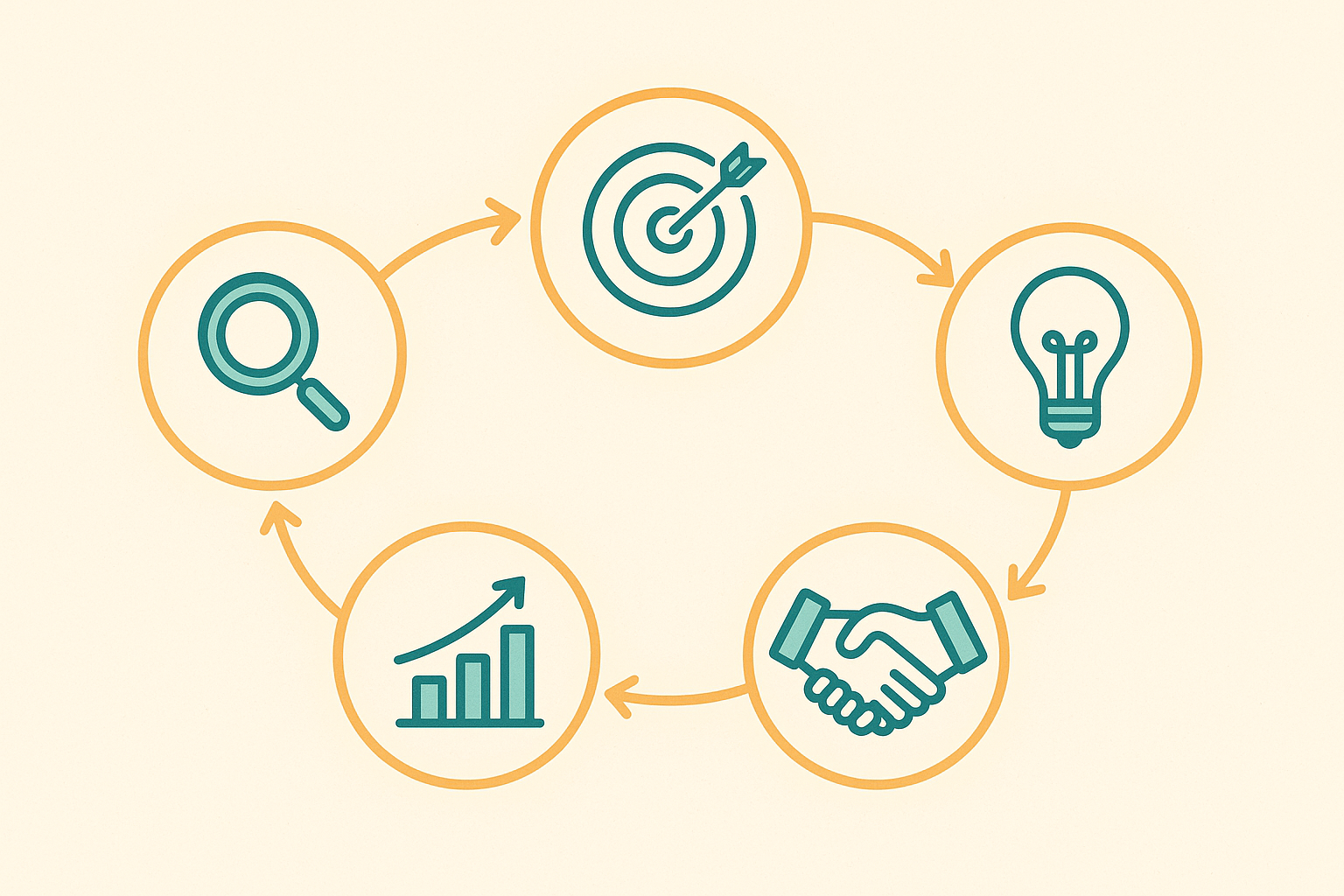
Each step compounds on the last, which is what makes the engine scalable.
Real Results From a Self-Running SaaS Acquisition Engine
None of this works in theory alone, so it helps to look at outcomes. One SaaS company, Acrely, grew from 240,000 to 2.8 million in annual recurring revenue while the founder moved from being on every sales call to being on none of them, a shift that reportedly added more than 20 million dollars to the company's valuation. Similarly, another client, Atlas, grew from 10,000 to over 120,000 in monthly recurring revenue within 120 days, while InstaPatient increased its qualified demo volume from two per week to over 200 per month without changing the underlying product.
Across a broader portfolio, this approach has taken 14 SaaS companies past one million in annual recurring revenue while managing roughly 1.8 million dollars a month in combined ad spend, according to case data published by SaaSLaunch. That depth of pattern recognition across the B2B SaaS funnel is difficult to replicate without years of dedicated, category-specific testing.
Choosing the Right Growth Partner to Scale Your SaaS
Not every agency is built to deliver a true system. Many optimize for clicks and leads because those metrics are easy to report, and when revenue does not follow, they point to the sales team instead of taking ownership. A genuine growth partner, by contrast, owns the entire journey from a stranger's first impression to closed revenue and is held accountable to the only number that matters: money in the bank.
Whether a founder wants to scale aggressively, step back into a leaner and more profitable role, or build toward a premium exit, the same underlying system applies. Founders exploring this transition often start by reading about how founder freedom fits into SaaS growth solutions or learning how to turn a SaaS into a self-running acquisition engine. Pre-launch founders, meanwhile, can also explore Answer Engine Optimization to position their product inside AI recommendations before competitors even launch.
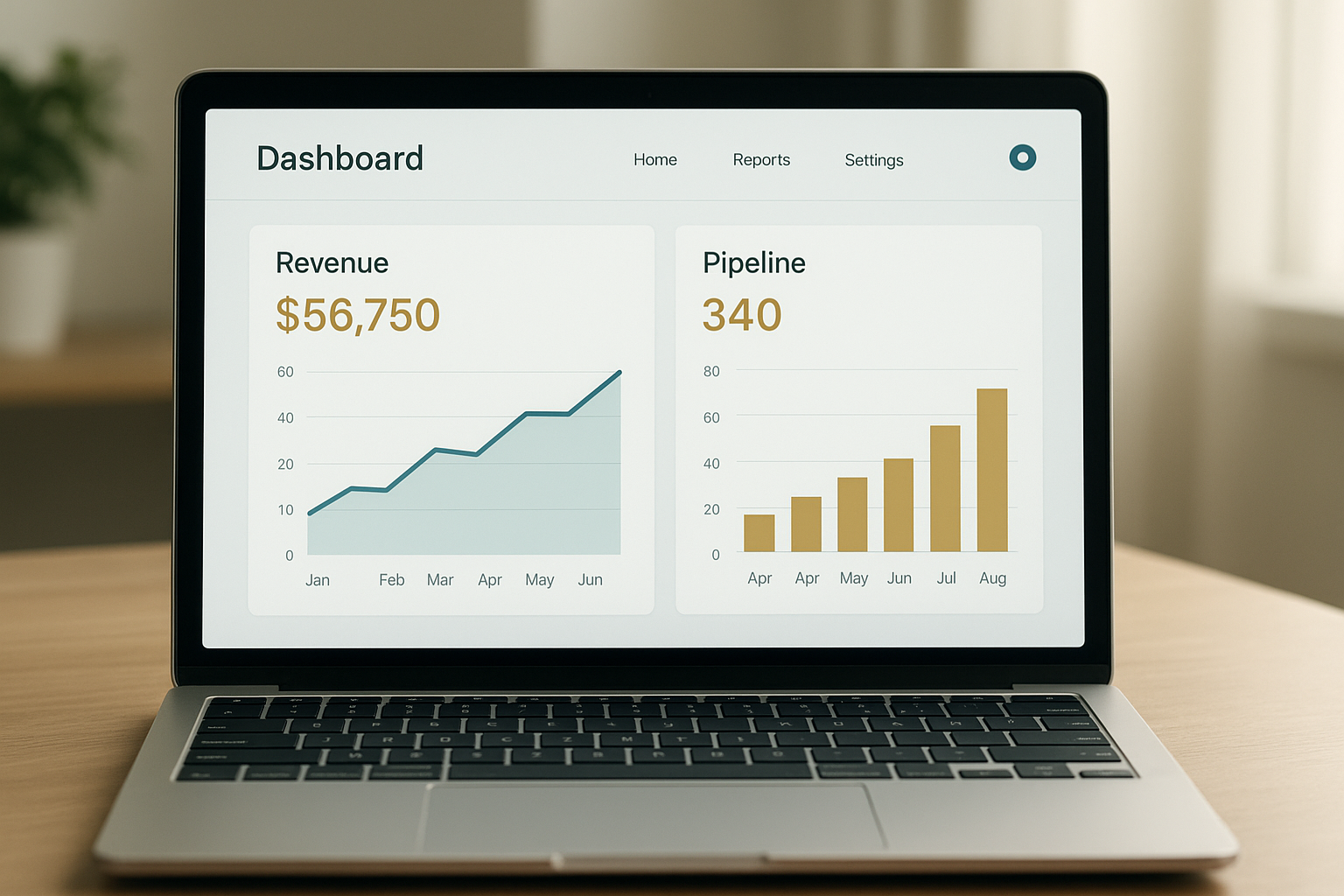
Tracking revenue rather than raw leads is what proves a growth system is working.
Frequently Asked Questions About Scalable SaaS Growth Systems
What are scalable SaaS growth systems?
Scalable SaaS growth systems are repeatable, documented processes that combine intent-based targeting, high-volume creative, and sales support to generate predictable pipeline without constant founder involvement. They compound over time because they rely on structure rather than one-off campaigns.
How long does it take to build a predictable SaaS growth engine?
Most founders see an initial pipeline lift within 30 to 60 days, with full system maturity by 90 to 120 days. Timelines vary based on current traffic volume, sales process clarity, and how quickly creative testing can run.
What's the difference between scalable growth systems and traditional paid ads?
Traditional paid ads often chase clicks and leads in isolation, while scalable growth systems own the entire journey from first impression to closed revenue. The difference is accountability: a system is measured on booked revenue, not vanity metrics.
How much does it cost to implement a scalable SaaS growth system?
Costs vary widely depending on ad spend, team structure, and whether a founder builds in-house or partners with an agency. Most B2B SaaS companies should budget for both media spend and the operational cost of creative, targeting, and sales support working together.
Can early-stage or pre-revenue SaaS companies use scalable growth systems?
Yes, though the approach differs slightly. Pre-launch companies often benefit from Answer Engine Optimization to appear in AI tool recommendations before launch, while post-launch founders typically start with intent-based paid acquisition.
What's the biggest mistake founders make when scaling SaaS acquisition?
The most common mistake is staying personally involved in every demo and every ad decision, which caps growth at the founder's bandwidth. A true system removes that single point of failure entirely.
How is intent data used in SaaS growth systems?
Intent data identifies companies actively researching solutions like yours right now, rather than cold audiences who may never buy. This lets campaigns target in-market buyers with budget, which improves both lead quality and close rates.
What metrics indicate a SaaS growth system is actually working?
Qualified demo volume, pipeline-to-close rate, and monthly recurring revenue growth are the clearest indicators, not raw lead count or click-through rate. A working system shows consistent week-over-week pipeline without founder intervention.
How does Answer Engine Optimization fit into SaaS growth today?
As more buyers ask AI tools which software to use, being the recommended answer is becoming a meaningful acquisition channel. Pre-launch SaaS companies can use Answer Engine Optimization to build that visibility before competitors do.
Is paid advertising still effective for B2B SaaS companies?
Paid advertising remains highly effective when paired with intent data, high creative volume, and sales support, because it targets buyers who are already looking for a solution. It becomes ineffective only when treated as a one-off tactic instead of a system.
How many demos should a healthy SaaS pipeline generate monthly?
This depends heavily on deal size and sales cycle, but the real benchmark is consistency rather than a fixed number. A healthy system produces a steady, predictable flow of qualified demos every week rather than sporadic spikes.
What makes a growth partner different from a typical marketing vendor?
Most vendors optimize for clicks and leads and stop there, while a true growth partner owns the full journey through to closed revenue. That end-to-end accountability is what separates a system from a service.
How do scalable SaaS growth systems affect company valuation?
Buyers and investors pay a premium for growth that does not depend on the founder, because it signals a durable, transferable asset. A documented, founder-independent acquisition engine can materially increase a company's exit valuation.
Final Thoughts
Ultimately, scalable SaaS growth systems are what separate companies that grow on purpose from companies that grow by accident. Instead of gambling on another unpredictable month, founders who install intent-based targeting, high-volume creative testing, and real sales support build pipeline that compounds whether they are watching it or not. That shift, from bottleneck to owner, is available at any stage, and learning more about SaaS solutions for scale is a reasonable next step for founders ready to stop guessing and start systemizing their growth.