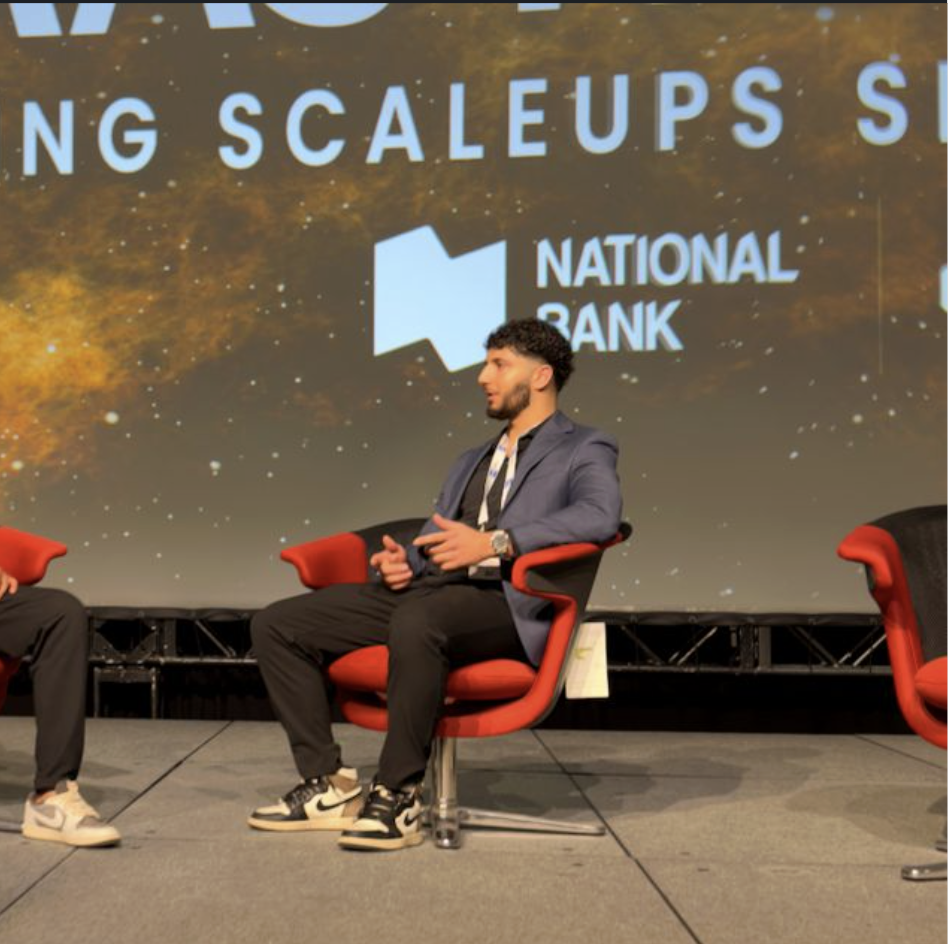
B2B SaaS growth system design is the discipline of building a structured, repeatable framework that turns unpredictable pipeline into a self-running acquisition engine. Instead of chasing one-off ad wins or hoping last month's lucky campaign repeats itself, a properly designed system connects targeting, creative, qualification, and sales support into a single machine that produces qualified demos on a schedule. For most founders, however, growth still feels like a rollercoaster, not a system.
That rollercoaster is familiar: fifty demos one month, six the next, with no clear reason for either swing. Consequently, the founder ends up doing the selling, the marketing, and the strategy work personally, which means the company can never grow faster than one person can push it. This article breaks down exactly what a working growth system looks like, how to build one, and why the design matters as much as the execution.

A clear B2B SaaS growth system design turns scattered acquisition efforts into a repeatable weekly rhythm.
What Is B2B SaaS Growth System Design?
B2B SaaS growth system design is the process of engineering every stage of customer acquisition, from first impression to closed revenue, into one connected, measurable process rather than a series of disconnected marketing tactics.
In practice, this means the system owns targeting, creative, qualification, and sales follow-through as one unit. Similarly, it means success is measured by closed revenue, not clicks or form fills. Software as a service (SaaS) businesses in particular depend on recurring revenue, so a system that produces inconsistent demand creates a ripple effect across forecasting, hiring, and fundraising. A well-designed system removes that volatility by design, not by luck.
The Trap Behind Founder-Led Growth
Nearly every founder we encounter is living some version of the same story. The product is good, often better than competitors who are somehow outgrowing it. Yet growth remains unpredictable, and a winning ad can print money for two weeks before dying mysteriously. As a result, the pipeline fills with tire-kickers, and the founder burns their sharpest hours on calls that go nowhere.
Underneath all of it sits a quieter problem: the entire machine only works because the founder is personally holding it together. They are the salesperson, the media buyer, and the closer, all at once. That is not a business; it is a high-stress job with unlimited liability. A clear B2B SaaS customer acquisition system, built with the right structure, is what finally breaks this cycle, as outlined in this complete guide to B2B SaaS customer acquisition.
Core Components of a Predictable SaaS Growth Engine
Every durable growth engine shares the same five building blocks. Therefore, before adding more ad spend or hiring another marketer, it helps to confirm each piece is actually in place.
| Component | What It Solves |
|---|---|
| Intent-based targeting | Reaches companies actively in-market, not just anyone who fits a profile |
| High-volume creative | Prevents fatigue so campaigns do not collapse after one winning ad burns out |
| Qualification layer | Filters out tire-kickers before they ever hit a founder's calendar |
| Sales support | Converts booked demos into closed revenue, not just busier weeks |
| Feedback loop | Measures results weekly so spend compounds instead of resetting monthly |
Notably, each component reinforces the others. For example, intent data is only valuable if the creative speaking to that audience is fresh, and qualification only matters if sales support is ready to close what gets through. For a deeper look at keeping these stages connected, see this guide on building predictable SaaS pipeline management.
How to Build a B2B SaaS Growth System in 5 Steps
Building the system in order matters, because skipping a step usually recreates the same founder dependency the system was meant to remove.
- Audit current acquisition channels. Map every source of demos today and flag which ones only work because the founder personally drives them.
- Define the ideal buyer with intent data. Identify companies actively searching for a solution right now instead of broad lists of theoretical fits.
- Build a creative production pipeline. Produce enough creative volume that a single ad fatiguing does not stall the entire engine.
- Install a qualification and sales-support layer. Filter unqualified leads before they reach a calendar, and bring in experienced closers for the rest.
- Measure and compound the results. Track cost per closed customer weekly and reinvest in what is actually producing revenue.

Mapping each funnel stage visually helps teams spot where a growth system design is breaking down.
Why Most Agencies Get SaaS Growth Systems Wrong
Typical agencies own a sliver of the journey and take responsibility for none of the outcome. Specifically, they optimize for clicks and leads because those metrics are easy to report, and when revenue does not follow, they blame the founder's sales process. In contrast, a true growth system holds itself accountable to closed revenue, not impressions.
According to OpenView's SaaS Benchmarks research, mid-market B2B SaaS companies routinely face extended customer acquisition cost payback periods, which means inefficient channels compound losses quietly for months before founders notice. Similarly, the U.S. Small Business Administration's growth guidance emphasizes that scalable growth requires repeatable systems rather than ad hoc effort, a principle that applies directly to SaaS acquisition.
Signs Your SaaS Needs a Better Growth System Design
Certain patterns tend to show up long before a founder admits the current approach is broken. If any of the following feel familiar, a redesign is likely overdue:
- Demo volume swings wildly month to month with no clear explanation.
- The founder is still personally closing most deals.
- A single winning ad or channel drives most of the pipeline.
- The calendar is either empty or overwhelming, with no middle ground.
- Leads show up but rarely match the ideal customer profile.
For founders who recognize these signs, the goal is not simply more spend; it is a redesigned engine. The team at SaaSLaunch's growth framework has guided numerous SaaS companies past $1 million in annual recurring revenue by rebuilding exactly these broken pieces, while managing a combined $1.8 million a month in ad spend across its portfolio. Founders looking to remove themselves from the sales process entirely can review this breakdown on taking customer acquisition off a founder's plate.
Choosing the Right Growth Strategy for Your Stage
Growth system design is not one-size-fits-all. Early-stage companies often need validation and lean testing, while later-stage companies need volume and sales-support infrastructure. Either way, the underlying architecture, targeting, creative, qualification, and follow-through, stays the same, only the scale changes. These seven proven B2B SaaS growth strategies outline how that scaling typically unfolds in practice, and this predictable growth playbook for scaling a SaaS walks through the sequencing in more detail.
Frequently Asked Questions About B2B SaaS Growth System Design
What is B2B SaaS growth system design?
B2B SaaS growth system design is the process of building a repeatable, connected framework for acquiring customers so pipeline happens on a predictable schedule rather than depending on the founder's personal effort.
How long does it take to build a SaaS growth system?
Most well-run builds take 60 to 120 days to move from audit to a functioning engine. Early signals of improved lead quality are often visible within the first 30 days.
Why do founder-led SaaS companies struggle to scale?
Growth is tied to one person's time and energy, so the moment the founder steps back, demos and follow-up slow down or stop entirely.
What's the difference between a growth system and a marketing campaign?
A campaign is a short-term push with a start and end date. A growth system is a permanent, connected process that keeps producing pipeline indefinitely.
How much does B2B SaaS growth system design cost?
Costs vary based on ad spend, stage, and whether sales support is included. Founders should budget for a design and management fee plus a dedicated media budget.
What are the core components of a SaaS growth engine?
The core components are intent-based targeting, high-volume creative, a qualification layer, sales support, and a measurement feedback loop that compounds results.
What mistakes do founders make when designing growth systems?
The most common mistake is optimizing for clicks and leads instead of closed revenue, which leaves founders with a full calendar but little new revenue.
How do intent data and creative volume fit into growth system design?
Intent data finds companies actively searching for a solution now, while creative volume prevents fatigue, keeping qualified buyers entering the pipeline consistently.
Can a B2B SaaS growth system work without paid ads?
Yes. Organic content, partnerships, and outbound can form the backbone of a system, especially before ad budgets are established.
How do you measure whether a growth system is working?
Track qualified demos booked weekly, cost per closed customer, and pipeline consistency month over month rather than raw lead volume.
What stage should a SaaS company be at before investing in growth systems?
Companies at nearly any stage benefit, from pre-launch through eight-figure scale, though the design and budget should match the current stage.
How does a growth system affect SaaS valuation?
Buyers and investors pay a premium for revenue that is not dependent on the founder, so a documented, founder-independent system can raise valuation at exit.
What's the role of sales support in a growth system?
Sales support ensures booked demos actually convert into paying customers, closing the gap between marketing activity and real revenue.
How is growth system design different for product-led vs sales-led SaaS?
Product-led companies weight the system toward self-serve trials and in-product triggers, while sales-led companies weight it toward demo booking and qualification.
How do I get started with B2B SaaS growth system design?
Start with an honest audit of where pipeline comes from today, identify where the founder is the single point of failure, and bring in a partner who can design and run the full journey end to end.

Weekly tracking of pipeline metrics is what keeps a growth system compounding instead of resetting.
Conclusion
In the end, B2B SaaS growth system design is what separates companies that grow on purpose from those that grow by accident. A well-built system connects targeting, creative, qualification, and sales support into one engine, freeing founders from being the bottleneck standing between their product and the market it deserves. Ultimately, whether the goal is aggressive scaling, steadier profit, or a stronger exit valuation, the same underlying design principles apply. Founders who are ready to stop guessing and start installing a predictable, founder-independent acquisition engine can review the framework at SaaSLaunch and see what the first 30 days of building that system actually looks like.