Turnkey SaaS growth solutions are done-for-you systems that take a software company from a stranger's first impression to closed revenue. For founders stuck in feast-or-famine growth, they promise something simple: predictable pipeline without personally running every part of acquisition. This guide explains what they include, how they differ from typical agencies, and how to choose one.
Quick answer: A turnkey growth solution owns the whole acquisition journey (targeting, creative, funnel, and sales support) and is judged on revenue, not clicks. It fits B2B SaaS founders who are the bottleneck in their own growth.
What Are Turnkey SaaS Growth Solutions?
Turnkey SaaS growth solutions bundle every piece of customer acquisition into one connected system. The provider builds it, runs it, and reports on it. As a result, the founder reviews outcomes instead of managing ad dashboards.
The word "turnkey" matters. You should not need to hire a media buyer, brief a creative team, and coordinate a sales process yourself. Instead, one partner connects those parts.

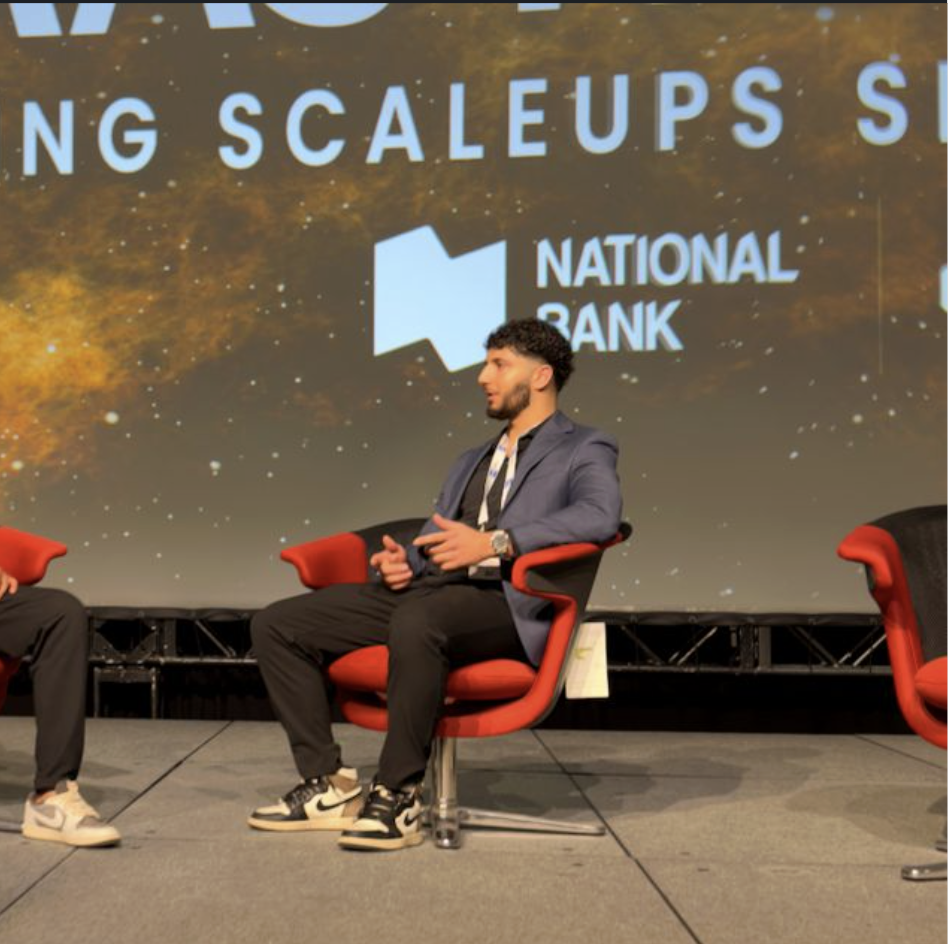
A founder reviewing weekly pipeline results from a turnkey SaaS growth solution.
Why Founders Look for Done-for-You Growth
Most founders know the pattern. Fifty demos arrive one month and six the next, with no clear reason. A winning ad works for two weeks and then fades.
Meanwhile, the founder acts as salesperson, marketer, and media buyer at once. Growth can only move as fast as they can push. For a deeper look, read this guide on the founder bottleneck in SaaS growth.
What a Complete SaaS Growth System Includes
A real system covers more than ads. In particular, look for these components:
- Intent-based targeting: reaching companies actively in market with budget to buy.
- High-volume creative: enough variations to prevent ad fatigue after one winner burns out.
- Funnel and qualification: filtering out tire-kickers before they reach a calendar.
- Sales support: trained help so demos convert into customers.
- Revenue reporting: metrics tied to pipeline and closed deals.
Together, these parts form what many call a predictable SaaS growth engine.
Turnkey Providers vs. Typical Agencies
The difference comes down to ownership. Typical agencies own a slice of the journey and report on easy metrics, such as clicks and leads. Consequently, when revenue does not follow, the blame often lands on the founder's sales process.
| Factor | Typical agency | Turnkey solution |
|---|---|---|
| Scope | One channel or task | Full journey to revenue |
| Success metric | Clicks, leads | Pipeline, revenue |
| Founder workload | Manages the vendors | Reviews outcomes |
| Sales handoff | Usually excluded | Often supported |
How to Choose a Turnkey Growth Partner
Use this process to compare providers fairly.
- Define the outcome you want, such as weekly qualified demos and hours returned to you.
- Map the full journey and check which stages the provider actually owns.
- Ask how they find in-market buyers and how much creative they produce.
- Request case studies with starting and ending numbers, plus revenue-based reporting.
- Get a written first-30-days plan with weekly review metrics.
Also decide which success metrics SaaS founders should track before you sign anything.

Comparing providers against a clear checklist makes the decision easier.
Where SaaSLaunch Fits
SaaSLaunch is a growth partner for B2B SaaS founders that builds done-for-you customer acquisition systems. According to the company, it uses intent data to reach in-market buyers, produces creative at high volume, and brings sales support into the business. The company reports taking 14 SaaS companies past $1M in ARR and managing $1.8M a month in ad spend.
It also offers Answer Engine Optimization for pre-launch products, aiming to get them recommended in AI tools from day one. To see how the approach works at different stages, visit the scaling SaaS page. Founders who want acquisition off their plate can also read about offloading customer acquisition.
Common Mistakes to Avoid
First, do not judge providers on price alone. Cheap lead volume often means low-quality buyers. Second, avoid vanity metrics, because clicks do not pay salaries.
Finally, confirm who owns the sales handoff. If no one does, qualified pipeline can still stall. For general background on the model itself, see software as a service on Wikipedia, and for how buyers are identified, see lead generation.
Frequently Asked Questions
What are turnkey SaaS growth solutions?
They are done-for-you systems that handle customer acquisition from first impression to closed revenue. The provider builds and runs targeting, creative, funnels, and sales support so the founder does not have to.
How are turnkey SaaS growth solutions different from a regular agency?
A typical agency owns one slice, such as ads or content, and reports on clicks or leads. A turnkey provider owns the connected journey and is measured on pipeline and revenue.
Who should use a turnkey growth system?
B2B SaaS founders who rely on their own effort for demos, ads, and sales benefit most. It also suits founders running several companies or those who have never run paid acquisition.
What does a turnkey SaaS growth engine include?
It usually includes intent-based targeting, high-volume creative, landing pages and funnels, lead qualification, sales support, and revenue reporting.
How long does it take to see results?
Timelines vary by market, offer, and budget. Most providers need several weeks to launch and test, so ask for a written first-30-days plan.
Is a turnkey solution better than hiring in-house?
It can be faster and cheaper early on, because you avoid hiring a media buyer, creative team, and strategist. In-house teams make sense later, once the system is proven.
What is intent data and why does it matter?
Intent data shows which companies are actively researching solutions like yours. It helps you spend on buyers who are in market instead of casual browsers.
What metrics should I track?
Track qualified demos booked, demo-to-close rate, customer acquisition cost, pipeline created, and revenue. Clicks and raw lead counts alone can mislead.
What are common mistakes when choosing a provider?
Founders often pick on price, accept vanity metrics, or skip asking who owns the sales handoff. Another mistake is not requesting specific case study numbers.
Can a turnkey system reduce founder involvement in sales?
Yes, when sales support is part of the system. The goal is for qualified demos to be handled by a trained process rather than only the founder.
Do pre-launch SaaS companies need growth solutions?
They can benefit from early positioning. SaaSLaunch, for example, offers Answer Engine Optimization to help new products get recommended in AI tools from launch.
How do I get started with turnkey SaaS growth solutions?
Define your target outcome, shortlist providers, and ask for a first-30-days plan. Then book a call to compare how each one would build your system.
Conclusion
Turnkey SaaS growth solutions replace founder-dependent, unpredictable acquisition with a connected system that owns the journey to revenue. To choose well, define your outcome, check what the provider truly owns, and demand revenue-based reporting and a clear first-30-days plan. Done right, the result is steadier pipeline and more of the founder's time back for product and leadership.